

Culineer Team
Member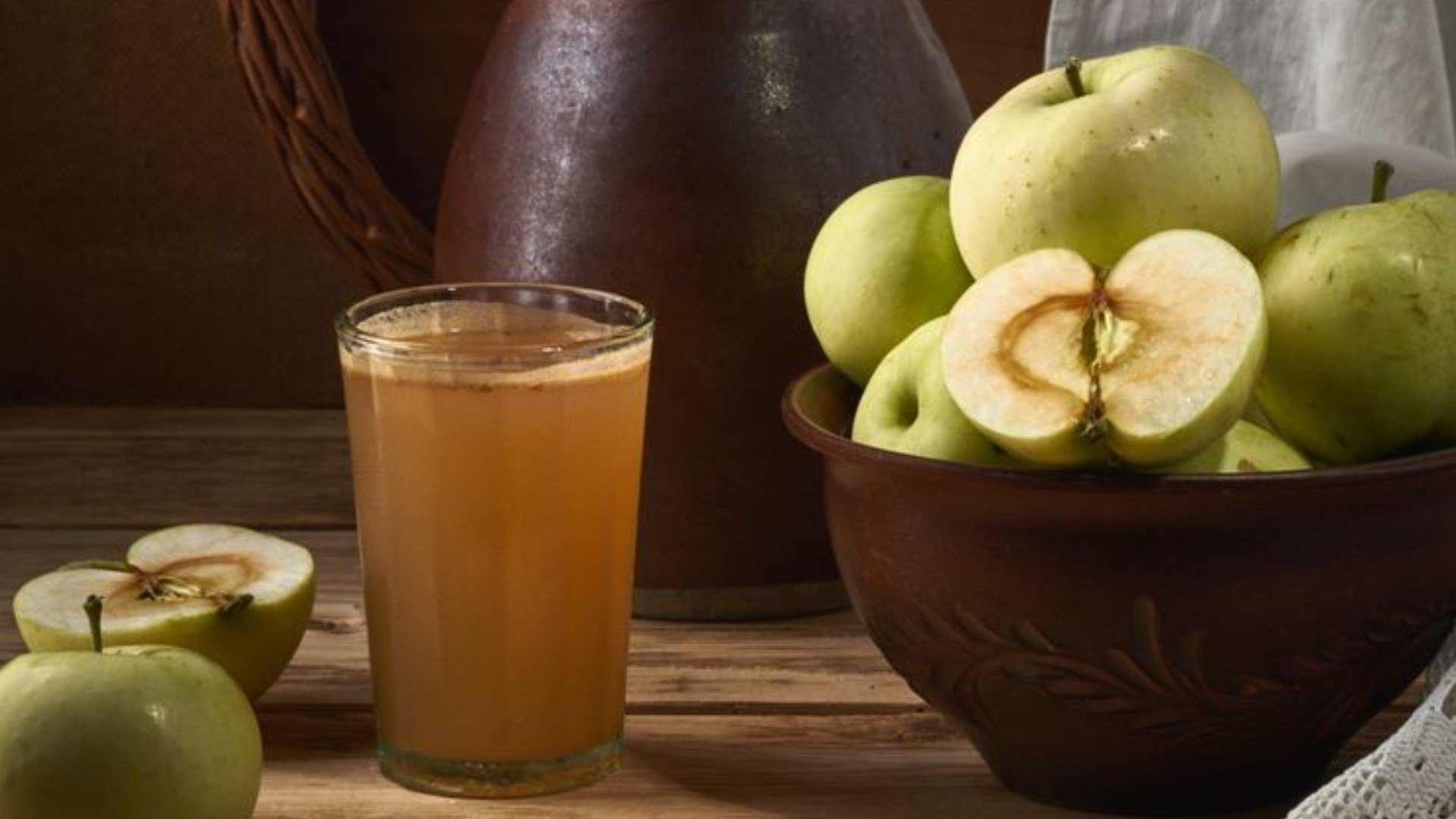
Cider Mill Near Me: Fresh Pressed Cider in PA, NJ and MD
Early September in Pennsylvania, New Jersey, and Maryland is when the presses start running again. Gala, Ginger Gold,d and early McIntosh are coming off the trees now, which means the first jugs of fresh apple cider of the season are showing up at orchard stands and farm markets across the Mid-Atlantic.
If you want cider that tastes like apples rather than concentrate, look for a place that presses on site and sells the same week it was pressed. That single detail separates a real cider mill from a farm stand reselling cider trucked in from somewhere else.
The mills and orchards below are grouped by region, from Greater Philadelphia and the Lehigh Valley through Central New Jersey and down toward the Baltimore corridor. Hours, press dates,es and pasteurization practices change week to week during harvest, so call or check the farm's own page before you drive.
Peak cider season here runs from mid-September through late November, with the best selection on October weekends.
What Makes Fresh-Pressed Cider Worth Seeking Out
Fresh-pressed cider is whole apples ground and squeezed, skins and all, with nothing removed. That is why it looks cloudy, tastes tannic at the finish, and changes flavor depending on which apples went into the blend that morning.
The good stuff is a blend. A mill pressing only sweet apples gets flat cider, so most blend a tart variety like a russet or a Winesap with something sweeter. Growers who make cider seriously look for apples with higher tannin content and more complex flavor, a point Minnesota Extension makes about cider apple selection that applies just as well to a sweet cider blend.
Watching an open-air apple press run is half the appeal at family farms that still do it out front. You can smell the pomace before you see the jug.
Fresh Cider vs. Apple Juice
Cider is unfiltered and unsweetened. Apple juice is filtered clear, often pasteurized at higher heat, and sometimes made from concentrate with sugar or acid added back for consistency.
That filtering is why juice tastes the same in April as it does in October. Cider does not, and that is the point. A jug pressed from early Galas in September tastes bright and thin next to a late October blend heavy on Golden Russet and Stayman.
Shelf-stable cider in a plastic gallon at the supermarket has usually traveled a long way, sometimes from Michigan apples or Washington fruit. Cider pressed in Adams County and sold in Adams County has a different taste and a much shorter clock on it.
When Cider Mills Usually Press Apples in PA, NJ and MD
Press season across the three states starts in mid to late September and runs through Thanksgiving weekend, with some mills going into December on stored fruit. The window matches apple availability more than the calendar.
Weekends are press days at most small operations. A mill with a two- or three-person crew will press Thursday or Friday, then sell through Sunday. By Monday afternoon the cooler is often empty until the next run.
Early season cider leans tart and lighter in body because the fruit has not built full sugar yet. Late October and November blends are richer, since keepers like Stayman, Northern Spy, and russets finally come in. If you are cooking with cider, the later jugs reduce down better.
Which brings up a question worth asking at the counter.
What to Ask About Pasteurization and Pressing Dates
Ask two things: when was this pressed, and is it pasteurized or UV treated?. Any mill running its own press will answer both without hesitating.
Federal rules require untreated juice sold retail to carry a warning label, so an unpasteurized jug in a farm cooler will say so on the front. Many mills use UV light instead of heat, which keeps more of the raw flavor while addressing pathogen risk. Some pasteurize with heat, which tastes slightly cooked but keeps longer.
The USDA's guidance on food safety at farmers' markets is worth knowing here: perishables need refrigeration within two hours, or one hour when it is over 90 degrees. Bring a cooler if the cider is riding home in a warm car.
Once you know what to ask, the next job is finding a press within a reasonable drive.
Where to Find Fresh Cider by Region
Cider near you in the Mid-Atlantic clusters around three apple-growing belts: the Lehigh Valley and Berks County, the ridge running through Adams and Franklin counties, and the north Jersey hills. Pittsburgh has its own smaller ring of orchards to the north and west.
Most of these are working orchards with a farm market attached, often with a bakery and u-pick apples in the same visit. A cidery is a different stop, which the next section covers.
Cider Mill Near Me: Greater Philadelphia and the Lehigh Valley
The Lehigh Valley has the highest concentration of orchard presses within an hour of Philadelphia and Allentown. Pappy's Orchard and Bakery in Coopersburg sits in Lehigh County with cider and a bakery in the same building, and Grim's Orchard and Family Farms in Breinigsville runs a large farm market with autumn activities.
West of the city, Highland Orchards in West Chester is a Chester County stop with a year-round market. Out in Lancaster County, Cherry Hill Orchards is an easy add-on to a Route 30 trip.
Farther west, Bedford and Somerset counties are worth the drive if you are already headed that way. Boyer Orchards in New Paris is deep in Bedford County apple country.
Around Pittsburgh, three names come up repeatedly:
Soergel Orchards, Wexford: Allegheny County, about 25 minutes north of the city, with a full market. Check the Soergel Orchards listing for current details.
Brown's Orchard and Cider, McDonald: southwest of Pittsburgh in Washington County. The Brown's Orchard page has the location.
Arundle Farm and Cider Mill, Northeast: up in Erie County, on the lake plain where grapes and apples both do well. Details on the Arundle Farm listing.
Central New Jersey Orchards and Farm Markets
New Jersey's cider mills are split between the Monmouth County farm belt and the hill country in Morris and Warren counties. Battleview Orchards in Freehold is the anchor in Central Jersey, with u-pick apples and a bakery known locally for its donuts.
North and west, Hacklebarney Farm Cider Mill in Chester is a Morris County press with a long local following, and Apgar's Cider Press in Phillipsburg sits right on the Warren County side of the Delaware.
A useful trick for Jersey shoppers: many of these orchards also sell at weekday farmers markets closer to town. Ask at the stand which day the cider was pressed, because the market jug is often two or three days behind the farm cooler.
Fresh Cider Around Baltimore and Central Maryland
Maryland's cider supply leans on two areas: the Frederick and Carroll County orchards northwest of Baltimore, and the Adams County, Pennsylvania growers just over the Mason-Dixon Line who sell heavily into Maryland markets.
That second group matters more than most Baltimore shoppers realize. Adams County produces a large share of the region's apples, and orchards like Weikert's in Gettysburg sit less than an hour from Frederick.
Within Maryland, the reliable move is a Saturday farmers market in the Baltimore corridor where an orchard sells direct. You will find pressing dates posted on the jug or on a chalkboard, and you can ask the grower which blend they are running that week. Check current market days and locations before you commit to a Saturday.
How to Verify a Mill Is Open Before You Drive
Call the farm. That sounds obvious, but 26 percent of farmers market shoppers say the main thing stopping them is forgetting the market is on, and cider mills keep even narrower hours than markets do.
Small presses close for weather, for a bad crop year, or because the crew is picking instead of pressing. A hailstorm in June can cut a mill's cider run short in October.
Before you go, confirm:
Press days this week, not general season dates
Whether cider is in stock right now, since weekend jugs sell out by Sunday afternoon
Cash or card, because some farm stands still run cash only
Whether u-pick is open, which changes with each variety's ripeness
Once you know a mill is open, the next call is what kind of trip you want it to be.
Choose the Right Stop for Your Cider Plans
A cider run can take twenty minutes or four hours, and the difference is the farm you pick. Some places are a counter with a cooler and a donut case. Others are a full farm day with wagon rides, a corn maze, and a petting zoo.
Decide before you leave, because a farm built for families gets crowded by 11 a.m. on October Saturdays.
A Quick Cider and Donuts Stop
For a fast trip, look for orchards with a bakery and a market counter but no ticketed activities. You are in and out in fifteen minutes with a gallon and a dozen fresh donuts.
These stops are best on a weekday afternoon or right at opening on a weekend. Parking is easy, and the donuts are still warm, which is the whole reason to go early.
Weekday mornings are also when you will run into the people who actually work the food chain. A market vendor picking up cider by the case for her Saturday stand knows exactly which orchard pressed on Thursday, and she will tell you if you ask.
Apple Picking, Hayrides, and a Full Farm Day
Full farm days combine cider with u-pick apples, hayrides, mazes, and farm animals, usually on a per-activity or wristband basis. Grim's in Breinigsville and Battleview in Freehold both run this model in autumn.
Plan two to four hours. Wagon rides run on a schedule, u-pick fields open and close by variety, and the line for donuts peaks around noon.
If you have small kids, look for a petting farm with a short path from the parking lot, and check whether the u-pick block is walkable or requires a wagon ride out. Pumpkins often share the same trip, so check pumpkin availability if you want both in one stop.
Cideries and Tasting Rooms for Hard Cider
Hard cider is fermented, alcoholic, and sold by a licensed cidery rather than a farm cooler. Some orchards operate both, pressing sweet cider in the farm market and running a cider bar in a separate building.
A tasting flight at a cidery is a different experience from a jug of sweet cider. Cider makers look for highBrixx, moderate acidity, and noticeable tannins, and a Wisconsin trial of 40 apple varieties found Brix ranging from 10.5 to 16.3 across the fruit they tested, with anything under 10 falling short.
Tasting rooms in PA and NJ often add wine, food, and live music on weekends. If that is the plan, check age policies before bringing kids, since some cider bars are 21 and over after a certain hour.
What Fresh Cider, Donuts, and Farm Extras May Cost
Budget realistically. Local food is worth the trip, and it is not the cheap option.
A typical farm visit in this region lands in the same range as a market trip, which averages 25 to 50 dollars across two to five stops. For a cider mill, that usually breaks down as a gallon of cider, a dozen donuts, a half peck of apples, and whatever activities you add.
Activity pricing varies widely. Some farms charge per wagon ride, some sell a wristband, and some include the hayride with a pumpkin purchase. Ask at the entrance instead of assuming, and confirm whether u-pick is priced by the bag, the peck, or the pound.
Cider and donuts are only part of what you carry out.
What Else to Bring Home From a Cider Mill
The farm market attached to a cider mill is often the better shopping stop. Pies, fudge, caramel apples, ice cream, and jarred goods sit next to the cider cooler, and much of it is made on site.
An apple tent in the fall is where you find varieties that never reach a supermarket. That is where the trip pays for itself.
Cider Donuts, Pies, and Other Bakery Picks
Cider donuts are made with reduced cider in the batter, which is why they taste like apples and not just cinnamon. A bakery that presses its own cider has the raw material sitting right there.
Buy donuts for the same day. They are best within a few hours and go dense by the next morning. Pies hold better, and an unbaked frozen pie from a farm bakery is a good buy in October if you want it for Thanksgiving.
Look for what the bakery makes with the current apples. Early September pies lean on Ginger Gold and Gala. By late October you get Stayman and Northern Spy, which hold their shape and need less sugar.
Apples for Eating, Baking, and More Cider
Buy by use, not by name recognition. Honeycrisp is a great eating apple and a mediocre pie apple because it stays wet and mild under heat.
For baking, you want structure and acid. Granny Smith holds up and gives you tartness, while McIntosh breaks down into sauce, which is exactly what you want for apple butter. Pennsylvania grows dozens more worth knowing, and this guide to Pennsylvania apple varieties sorts them by kitchen use.
Rough guide by job:
Eating fresh: Honeycrisp, Gala, Fuji, SnapDragon
Pie and tarts: Granny Smith, Stayman, Northern Spy, Golden Russet
Sauce and butter: McIntosh, Cortland, Empire
Storage through winter: Stayman, Idared, Northern Spy, Russets
If you come home with more than you planned, an old-fashioned apple crisp uses a lot of fruit fast, and homemade apple butter handles a peck of soft apples in one afternoon.
Jams, Honey, and Other Shelf-Stable Farm Goods
The jarred goods shelf is the part people walk past. Jams, jellies, preserves, local honey, and maple syrup all keep for months, which makes them the low-risk purchase on a farm trip.
Local honey is worth a closer look because varietal honey changes by region and bloom. Beekeepers in Chester County produce different honey from those in Ocean County, and both often sell at the same orchard markets they supply.
Farm gift shops in October also stock jarred goods aimed at holiday gifts, which is when prices are best, and selection is widest. Squash and pumpkins usually sit in the same building, so it is an easy trip to pick up winter squash at the same time.
Now for the part that decides whether your cider lasts the week.
How to Store Cider and Make the Most of Your Visit
Get cider into the refrigerator fast and keep it at 40 degrees or below. Warm cider in a car trunk starts fermenting, and you will taste it within a day or two.
Fresh-pressed cider is a living product. That is the appeal and the constraint.
How Long Does Fresh Cider Keep in the Refrigerator?
Refrigerated fresh cider holds good flavor for about seven to ten days, and pasteurized cider keeps longer once opened. Unpasteurized cider starts turning sooner because the natural yeast is still active.
You will know when it goes. It fizzes, smells yeasty, and turns sharp. That cider is fine for cooking down into a glaze or a braise, though the flavor is no longer sweet.
Cider freezes well, which solves the gallon problem. Pour off a cup before freezing so the jug has room to expand, then thaw in the refrigerator. Frozen cider is what you want in January for crockpot apple cider or a butternut squash cider soup.
When to Go for Shorter Lines and Better Selection
Go Friday afternoon or Saturday before 10 a.m. October weekends between 11 and 3 are the busiest hours at every farm in this region.
Crowds and awkward opening hours are the second and third biggest reasons people skip a trip, at 20 percent and 17 percent. Cider mills concentrate that problem into six weekends.
Weekday visits get you the freshest press and no line, but check that the bakery is running. Some farms bake only Thursday through Sunday during peak season, so a Tuesday trip gets you cider without donuts.
Checking Hours, Weather, and Activity Tickets
Rain closes u-pick fields and hayrides even when the market stays open. A wet week in October can also delay picking, which pushes back which varieties are available.
Ticketed activities are where plans fall apart. Some farms sell timed entry for mazes and wagon rides on weekends, and those slots fill by Thursday.
Before you leave, confirm the press schedule, whether cider is in stock, and whether any activity needs a reservation. Culinier's producer listings and seasonal ingredient pages are a fast way to find nearby orchards and see what is at its best this week before you call the farm.
Choose the Freshest Cider for This Week's Plans
Pick the mill by what you want out of the trip. A quick jug and donuts means a small orchard bakery on a weekday morning. A full afternoon with kids means a farm with wagon rides and a maze, booked ahead if it sells timed entry.
Ask when the cider was pressed and whether it is pasteurized or UV treated. Buy a gallon if you will drink it inside a week, and freeze the rest for cooking. Late October blends give you more depth than early September jugs, so if you are reducing cider for a sauce, wait for the keeper apples.
Farmers here press the same weeks every year, and home cooks who know that window buy better cider.
Find a nearby orchard, mill, or producer selling cider on Culineer and check the listing for current hours before you drive.
Frequently Asked Questions
How Can I Find a Cider Mill Near Me That Is Open Today?
Call the farm directly, since small presses set their hours week to week during harvest. Most PA, N,J and MD mills press Thursday or Friday and sell through Sunday, so a midweek call confirms whether cider is in the cooler. Ask about press days rather than general season dates.
What Is the Difference Between Fresh Cider, Sweet Cider, and Hard Cider?
Fresh cider and sweet cider are the same thing: unfiltered, unfermented apple juice pressed from whole apples with nothing added. Hard cider is that same juice fermented into an alcoholic drink, sold by a licensed cidery rather than a farm cooler. A few orchards produce both on the same property.
Are Cider Donuts Made With Apple Cider?
Yes, cider donuts use reduced apple cider in the batter, which gives them apple flavor beyond the cinnamon sugar coating. Bakeries attached to a working press have fresh cider on hand, which is why orchard donuts taste different from supermarket versions. They are best eaten the same day.
How Long Does Fresh-Pressed Apple Cider Last?
Refrigerated fresh cider holds good flavor for roughly seven to ten days, and unpasteurized cider turns sooner because its natural yeast stays active. Keep it at 40 degrees or below and get it into the refrigerator within two hours of buying. Cider freezes well if a cup is poured off first to allow for expansion.
Do Cider Mills Offer Apple Picking and Hayrides?
Many do, though not all. Larger orchards with farm markets combine cider with u-pick apples, hayrides, mazes,es and farm animals, while small presses sell cider and baked goods only. Activity availability shifts with weather and variety ripeness, so confirm before driving out.
Should I Call Ahead Before Visiting a Cider Mill?
Yes. Cider mills keep narrower hours than farmers markets, and weekend jugs often sell out by Sunday afternoon. A quick call confirms press days, current stock, payment methods, and whether u-pick or ticketed activities are running that day.