
Grown by 1 farmer
Peaches
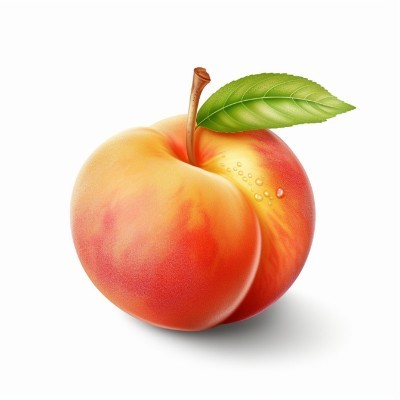
Peaches are juicy stone fruits that belong to the Rosaceae family, which also includes cherries, plums, and apricots. They are characterized by their velvety skin, sweet and aromatic flesh, and large pit at the center. Peaches come in a variety of colors, including yellow, white, and red, and their flavor ranges from tangy-sweet to exceptionally sweet depending on the cultivar and ripeness. They are commonly enjoyed fresh as a snack, in salads, desserts, smoothies, or as a key ingredient in jams, pies, cobblers, and sauces.
There are two main distinctions among peaches: flesh-to-pit attachment and flesh color.
By Pit Type:
Clingstone: The flesh clings tightly to the pit. Juicy, aromatic, and best for canning, jams, and eating fresh. Typically available early in peach season (late spring/early summer).
Freestone: The pit easily separates from the flesh. Ideal for baking, slicing, freezing, and preserving. Usually harvested mid-to-late summer.
Semi-freestone: A hybrid of the two—easier to separate than clingstones but still juicy like cling varieties. Versatile and often found at farmers markets.
By Flesh Color:
Yellow Peaches: Tangy-sweet flavor with vibrant golden flesh. Best for baking, grilling, and cooked applications.
White Peaches: Low-acid, incredibly sweet, with pale, almost translucent flesh. Best enjoyed raw or lightly cooked.
Babcock, White Freestone -Super sweet and floral;
Elberta, Yellow Freestone - Classic canning/baking peach;
Red Haven, Yellow Semi-freestone - Early ripening and versatile;
Georgia Belle, White Freestone - Old-fashioned southern favorite;
Donut (Saturn), White Clingstone- Flat shape, mild flavor;
O'Henry, Yellow Freestone - Firm, great for grilling;
Rich May Yellow, Clingstone - Very early season, juicy;
August Lady, Yellow Freestone -Late season, intense flavor;
In Season: Jul-Sep (Peak: August)● in season now
Where to buy fresh Peaches near you

Cooking Guide
Peaches offer endless versatility—from sweet to savory, fresh to grilled, and juicy to jammy. Whether you're slicing a white freestone for a salad or simmering yellow clingstones for jam, knowing the differences among types and how to use them helps bring out their best flavor and texture in every dish.Cooking with peaches allows you to enhance their natural sweetness and juicy texture in a variety of dishes. Here's a guide on how to prepare and cook peaches:
Storage:
Unripe: Ripen at room temperature in a paper bag for 1–3 days.
Ripe: Store in the refrigerator in a produce drawer. Use within 3–5 days.
Cut: Store in an airtight container with a splash of lemon juice to prevent browning. Use within 2 days.
Freezing: Peel, slice, and freeze on a tray before transferring to freezer bags. Use in smoothies, pies, or sauces.
Where to find locally grown Peaches
Join Culineer for free to find seasonal ingredients near you, discover local recipes, and connect with farmers in your area.