

Culineer Team
Member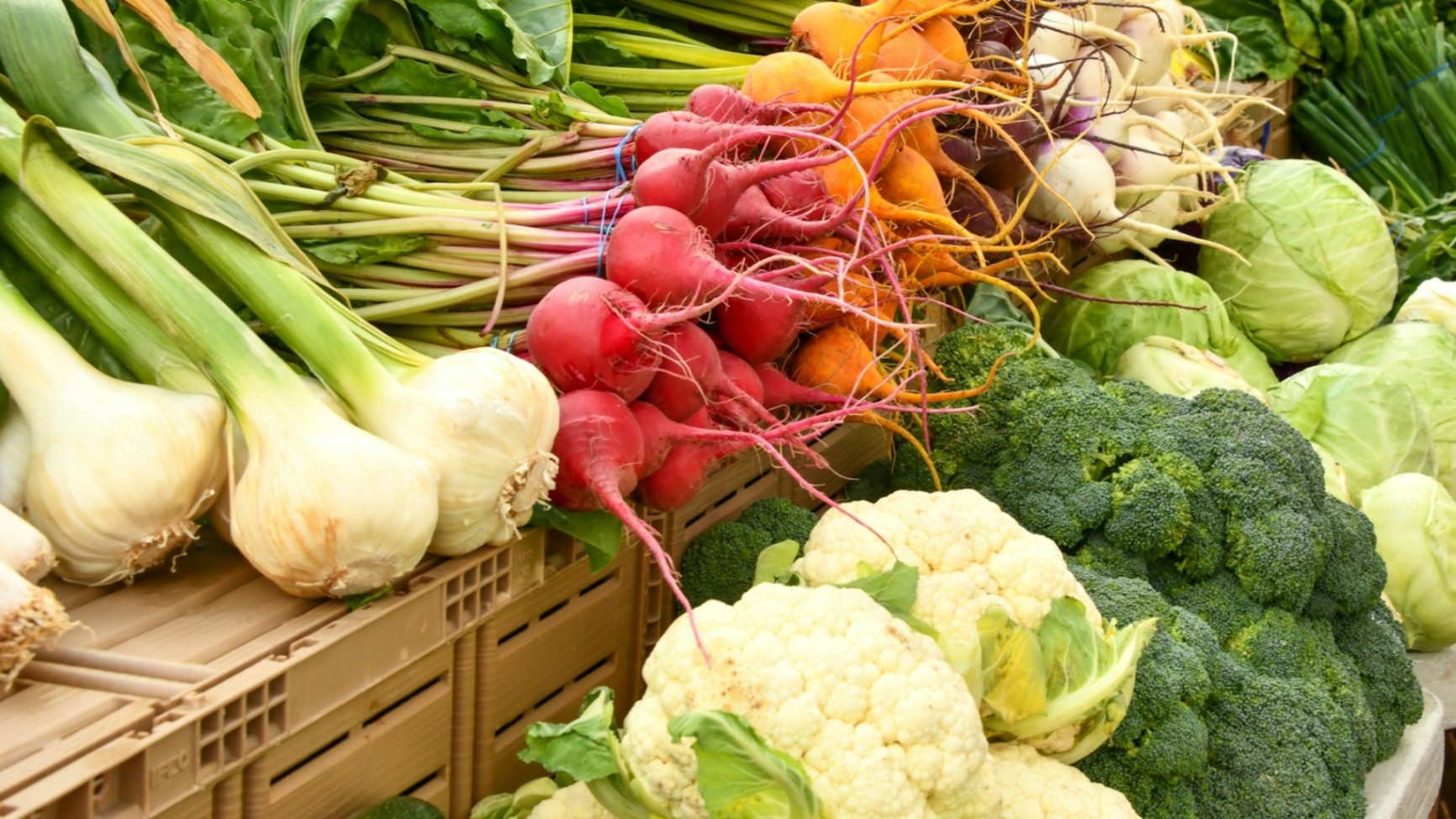
How to Promote a Farmers Market With Weekly Updates and Local Partnerships
Your vendors are hauling in the last peppers, crates of apples, and the first winter squash, and the stalls look great. Then you see half the usual crowd. Shoppers love fresh, high quality food. The trouble is that 26 percent of them simply forget the market is on.
That forgetting is your biggest promotion problem, ahead of price and crowds. The most reliable way to promote a farmers market is a short weekly update that shows what's fresh, when you're open, and what to cook with it, backed by a few local partnerships. Shoppers want that help before they leave home, and 73 to 78 percent say they'd buy more with recipe ideas. The reasons to come already exist. Your job is to put them in front of shoppers on Friday night.
In this guide, you'll learn how to build a weekly update shoppers will read, choose channels you can keep current, and turn vendor knowledge into reasons to return. You'll also see how to plan chef demos and cross-promotions, track what works, and judge whether a federal grant is worth your time.
Give Shoppers a Reason to Come This Week
Shoppers come back for specific food they can picture on their plate. Give them basic facts they can trust, then a short look at this week's harvest.
Make Market Days, Hours, and Location Easy to Find
Start with the boring details, because they cause the most lost visits. Your day, hours, address, and parking should sit at the top of every page, post, and email. A shopper should never need to dig for them.
Change these details everywhere the moment they shift. Autumn is the risky stretch in Pennsylvania, New Jersey, and Maryland. Many markets shorten hours or move indoors as attendance drops from summer highs. One wrong closing time on a cold November Saturday costs you trust that takes weeks to win back.
Add the small things a first-timer wonders about. Say where the bike rack is, whether vendors take cards, and if your market accepts SNAP. Say whether dogs are welcome.
How to Promote a Farmers Market With a Weekly Produce Update
A weekly produce update is a short note sent before market day that lists what vendors are bringing. Send it Thursday or Friday. That's when 45 to 73 percent of shoppers want to plan their trip.
Keep it tight and specific. Name the variety and the stall: "Honeycrisp and Stayman apples from the orchard by the fountain" beats "apples are here." Flag what's new, what's peaking, and what's nearly gone. A line like "last week for field tomatoes" moves people off the couch.
Check your list against a seasonal ingredients guide so your timing matches what's in season locally. Then confirm with vendors on Wednesday. Only list what they've told you they're bringing.
Show What Shoppers Can Cook With This Week's Harvest
Most of your shoppers are confident cooks, so skip the basics and give them ideas. One or two dish suggestions per update are enough. Tie each one to items they can buy that day.
In spring, point radish and beet buyers to a spring salad with radishes and beets. In late summer, pair new potatoes and the final green beans with a simple potatoes and green beans dish. The recipe gives shoppers a shopping list across two or three stalls.
That's the payoff for vendors. A shopper who plans a dish spends across more stalls than one who drifts through with no plan.
Choose Channels You Can Keep Current
Pick fewer channels and update them every week. A stale channel hurts you more than a missing one, because shoppers act on old information.
What Belongs in a Farmers Market Newsletter?
Your farmers market newsletter should take about a minute to read. Put the date, hours, and location first. Follow with four to six produce highlights, one recipe idea, and one vendor or event note.
Leave out long essays and board minutes. Your readers want to know if the trip is worth it this week. Use a clear subject line with a real ingredient in it, such as "First Brussels sprouts and cider this Saturday."
Send it on the same day and at the same time each week. A steady rhythm teaches readers to expect it. That habit does more against forgetting than a clever headline.
Turn Vendor Photos and Seasonal Updates Into Social Posts
Ask vendors to send one photo by Wednesday night. A crate of Fuji apples or a table of kale gives you a week of posts. Short clips of vendors setting up do well too. The Farmers Market Coalition keeps a library of social media tips for farmers markets if you're new to it.
Use a simple weekly pattern you can keep up:
Wednesday: a "coming this week" photo
Friday: your hours and a recipe idea
Saturday morning: a live shot of the busiest stall
Sunday: a thank-you and a teaser for next week
Link recipe posts to a page where shoppers can discover recipes and seasonal food. Then each post leads to a plan, which is better than a like alone.
Keep Community Listings and Apps Accurate
Shoppers find you through Google, local event calendars, tourism sites, and any farmers market community app they use. Check each listing at the start of every season. Check again when hours change.
Make sure you show up in a local farm and market directory and in regional food pages for your area. Someone searching in the Lehigh Valley or Central New Jersey should see your current days and hours.
Keep a short sheet of every place you're listed. Note when you last checked each one. It takes ten minutes and saves a lot of confused shoppers.
Help Vendors Give Shoppers Useful Reasons to Return
Your vendors know their food better than anyone. Collect that knowledge each week and share it, and customer loyalty grows for the whole market.
Collect One Product Highlight and Recipe Idea From Each Vendor
Send vendors one short form each week with two questions. What's your best item this week? How do you like to cook it? Most farmers answer in a sentence, and those sentences are gold.
"Our Delicata is sweet this week, roast it in rings with the skin on" sounds like a person. It reads better than any line you could write. Give the vendor credit by name, and they'll keep sending it.
This is direct producer-to-consumer marketing at its simplest. The grower speaks, you pass it on, and shoppers arrive asking for a stall by name.
Connect Unfamiliar Ingredients to Specific Stalls
About 90 percent of shoppers will try something new, but 35 percent want guidance first. Kohlrabi, celeriac, ground cherries, and pawpaws often stay on the table because people don't know what to do with them.
Fix that with a "new to you" spot in each update. Name the ingredient, the stall selling it, and one use. Link to a guide to local ingredients for buying and prep notes.
Vendors with odd crops gain the most here. A shopper who walks up already knowing they'll shave that kohlrabi into a slaw buys two.
Share Vendor Stories Without Promising Unverified Availability
Farm stories build trust. Share how long a family has grown peaches in Adams County, or why a dairy chose grass finished beef. Real histories make good copy: Battleview Orchards in Freehold traces its roots to 1908, and Hacklebarney Farm Cider Mill in Chester to the mid-1800s. Keep producer pages or vendor profiles current so shoppers can learn more.
Be careful with what you promise. Weather, pests, and a sick worker change what shows up on Saturday. Say "expected" or "planned" unless the vendor has confirmed it.
When labels come up, explain them plainly. Organic requires certification. No spray and pasture raised are farm claims with no single national rule. Let shoppers ask the farmer and decide for themselves.
Build Partnerships Around Food, Not Just Foot Traffic
The best partners help shoppers cook and enjoy what they buy. That gives people a reason to come that a coupon can't match.
Plan Seasonal Cooking Demonstrations With Local Chefs
A cooking demo is a short session where a chef cooks with ingredients from that day's stalls. Ask local restaurant chefs first. Many already buy from your vendors and like the exposure.
Keep each demo to 15 or 20 minutes and run it twice. Build it around one peak crop: roasted squash with brown butter in October, or asparagus in May. Post the recipe card and the stalls that sell each ingredient.
Check your county health rules before you hand out samples. Rules for tasting at markets vary by county and state across PA, NJ, and MD. Your county health department will tell you what permits apply.
Try Cross-Promotions With Nearby Businesses and Community Groups
Cross-promotions are simple swaps where two groups promote each other. A coffee shop posts your hours, and you list them as a place to grab a cup before shopping. Nobody pays, and both reach new people.
Good partners for a farmers market include:
Bakeries and cafés near the market
Libraries running cooking or garden programs
Bike shops and running clubs with Saturday meetups
Breweries and cideries that use local fruit
Schools and food banks
Keep partnerships tied to food, and you'll strengthen the local food economy around you. Write down what each side promises so nothing gets dropped mid-season.
Make Events Worth Visiting During Market Hours
Fun is a real reason people shop, and 53 percent rate it highly. Plan farmers market event ideas that keep shoppers at the stalls. An apple tasting with five varieties side by side works. A tomato contest or a kids' "find the purple carrot" hunt also works. Farms show how well hands-on food events draw a crowd. The Great Potato Dig at Grim's Orchard and Family Farms lets visitors dig their own potatoes and have them turned into fresh French fries on the spot.
Hold events during peak hours, right next to vendors. An event in a far corner draws a crowd that never shops. Pick dates that match the harvest, and tell vendors early so they bring extra stock.
Spend Less by Tracking What Brings Shoppers Back
A little tracking shows you where your time pays off. Then you can drop what doesn't help and put more effort into what does.
Ask New Visitors How They Heard About the Market
Station a volunteer at the entrance with a clipboard or a jar and tokens. Ask one question: how did you hear about us? Offer choices like newsletter, social media, a friend, a sign, or a partner business.
Do this two or three Saturdays a season. You'll see fast whether your newsletter or your street sign brings more new faces. It costs nothing but a volunteer's morning.
Compare Attendance and Vendor Feedback Across Market Days
Count shoppers at set times, such as every hour at the main gate. Record the weather and any events next to each count. After a month, patterns show up.
Ask vendors to rate each day with a simple score from one to five. Add a note on what sold out. If a chef demo week scores high with vendors and counts, repeat it. If a big email push brings no change, rethink it.
When Is Grant Funding Worth Exploring?
Grants make sense once your market has steady records and staff time to manage the work. The USDA runs the Farmers Market Promotion Program (FMPP), which funds outreach, training, and direct-to-consumer marketing.
The FMPP grant program offers four project types. Capacity Building projects run $50,000 to $250,000. Turnkey Marketing and Promotion projects range from $50,000 to $100,000. You'll also need a cost share equal to 25 percent of the federal portion. The FY26 window closed June 5, 2026, so plan ahead for the next round.
If you're a small market, start with free tools and local sponsors. Before you add any paid platform, compare plan pricing against what a volunteer could handle. Your tracking data will also make a future grant application much stronger.
Make Next Week's Market Easy to Remember
Most shoppers don't skip your market by choice. They forget, or they aren't sure the trip is worth it. A weekly update with clear hours, named varieties, and a recipe idea answers both problems before Saturday.
Build it from what vendors already know, send it at the same time each week, and add a demo or partner when the harvest gives you a reason. Track a few simple numbers and keep what brings people back.
If you want help keeping your community updated each week, see how market tools work on Culineer.
Frequently Asked Questions
How Can a Farmers Market Attract More Customers on a Small Budget?
Send a free weekly email or post listing what's fresh, your hours, and one recipe idea. Pair it with free cross-promotions with nearby cafés, libraries, and community groups. Ask new visitors how they found you so you know where to focus.
What Should a Farmers Market Post on Social Media Each Week?
Post a "coming this week" photo midweek, your hours and a recipe on Friday, and a live stall shot on market morning. Use vendor photos and name the variety and stall. Only list items vendors have confirmed.
How Often Should a Farmers Market Send a Newsletter?
Send it once a week, a day or two before market day. Thursday or Friday works well, since most shoppers plan before they leave home. Keep the day and time the same so readers learn to expect it.
What Farmers Market Event Ideas Help Shoppers Discover Vendors?
Variety tastings, short chef demos with the day's produce, and harvest contests all lead shoppers to specific stalls. Hold them near vendors during busy hours. Post a list of which stalls sell each featured item.
How Can Market Managers Tell Whether a Promotion Worked?
Compare hourly shopper counts and vendor sales scores from before and after the promotion. Ask new visitors how they heard about the market at the entrance. Record weather alongside each count so a rainy day doesn't skew results.