

Culineer Team
Member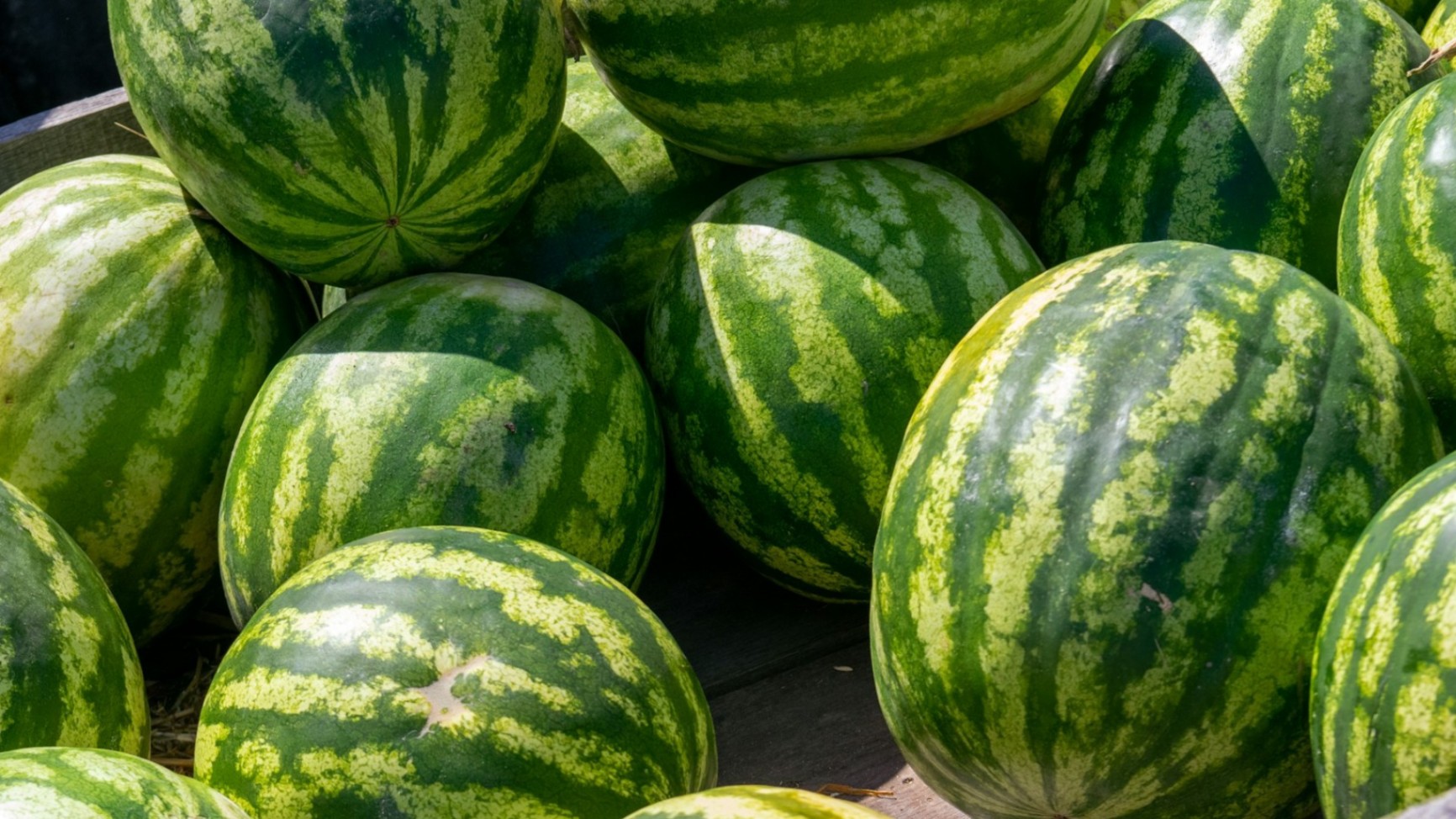
When Is Watermelon Season: Regional Harvest Timing and Farmers Market Tips
Late summer has a smell, and a ripe watermelon is a big part of it. You cut into a heavy melon from a farm stand, the rind cracks open with a snap, and the flesh is cold, crisp, and sweet right to the edge. That's the fruit you want, and a hard, pale supermarket wedge in March isn't it.
Watermelon season in the U.S. runs from May through September, and in Pennsylvania, New Jersey, and Maryland local melons peak from late July through early September. Southern farms start shipping in late spring. Northern growers come in last. Knowing which window you're in tells you when a melon is local, fresh, and worth hauling home.
In this guide, you'll learn which months bring the best fruit and how the harvest moves from south to north. You'll also see how to pick a ripe melon at a stall, how to store it, and how to plan your next market trip around the local crop.
Which Months Bring the Best Watermelon?
July and August are the best months to buy watermelon in most of the country. That's when the most farms are picking at once, so you get the widest choice of sizes and varieties and the freshest fruit.
The Main U.S. Harvest Window
Watermelon is a warm weather crop. It needs long, hot days and warm nights to build sugar. The USDA's SNAP-Ed program lists watermelon simply as a summer fruit that's over 90% water, and that water is why a field-fresh melon tastes so clean and crisp.
In practice, the U.S. season looks like this:
May and June: Florida, South Texas, and southern Georgia lead the early harvest.
July: The Carolinas, Georgia, and the Delmarva Peninsula hit full stride.
August: Pennsylvania, New Jersey, and the Midwest come into peak.
September: The last local picks in the Mid-Atlantic and northern states.
If you had to name one watermelon month for the Mid-Atlantic, it would be August. Before you go, check what else is in season on the seasonal ingredients page, since sweet corn and tomatoes peak in the same weeks.
Why Store Availability Is Different from Local Season
You can buy watermelon in a supermarket any month of the year. The National Watermelon Promotion Board says watermelon is available year-round in fresh cut containers, with winter fruit shipped from warmer regions and other countries.
Those melons are picked to survive days on a truck. A melon from a farm stand near you was likely cut from the vine that week. It hasn't sat in cold storage, so the texture stays crisp and the flavor stays bright.
The months in spring are a good reminder of the gap. While stores stack imported melons in April, your local market is selling radishes and beets for something like a spring salad with radishes and beets. The local watermelon comes months later.
How Does the Harvest Shift Across the U.S.?
The harvest starts in the Deep South and rolls north as the soil warms. A farmer in Florida may finish picking just as a grower in Lancaster County is setting out transplants.
When Is Watermelon Season in Pennsylvania, New Jersey, and Maryland?
In the Mid-Atlantic, local watermelon is in season from mid to late July through early September. Maryland's Eastern Shore and South Jersey come in first, often in mid-July, thanks to sandy soil that warms fast in spring.
Southeastern Pennsylvania, including Lancaster and Chester counties, follows a week or two later. The Lehigh Valley and the Pittsburgh area usually peak in August. A cool, wet June can push everything back by a week or more, so ask your grower how the season is running.
By early October, most local melons are gone. A few late plantings or stored fruit can show up at markets in the first week or two of the month. After that, any watermelon you find came from far away.
Earlier Harvests in the South
Southern states start the season and supply much of the country through early summer. Florida growers begin picking in April and May. Texas follows close behind.
Georgia is one of the biggest players. University of Georgia Extension notes that the state grows watermelons on an estimated 20,000 acres per year, with harvest focused on June and July. The Carolinas pick in July. If you see watermelon at a Mid-Atlantic store in June, it most likely came from one of these states.
Later Windows in Northern and Western States
Farther north, the window is short and late. Growers in New York, Michigan, and Wisconsin pick from August into early September. A frost can end the season overnight.
The West works differently. California's Central Valley and Arizona have long, hot seasons, so harvests can stretch from June into October. Washington and Oregon growers pick in August and September. If you travel, ask the market vendor where the melon came from; the answer tells you more than the sticker does.
How to Choose a Ripe Watermelon at a Farm Stand
Your hands and ears do most of the work. A ripe watermelon gives clear clues on the outside, and a farm stand lets you handle as many as you like before you pick one.
Check the Field Spot and Weight
Flip the melon over and find the field spot. That's the patch where it rested on the ground while it grew. On a ripe melon, the spot is creamy yellow or even buttery orange. A white or pale green spot means it was picked too early.
Next, lift it. A ripe melon feels heavy for its size because it's full of water and sugar. Pick up two melons of the same size and keep the heavier one. SNAP-Ed's guidance agrees on both points: look for a yellow spot and a heavy melon.
Feel the Rind and Listen to the Sound
Run your hand over the rind. A ripe melon has a firm skin with a dull, matte look. A shiny rind often means it's underripe. Rough, web-like brown lines (growers call them sugar spots or webbing) are signs of sweetness, not damage.
Then knock on it with your knuckles. You want a deep, hollow sound, a bit like tapping a door. A dull thud can mean overripe, mushy flesh. A high, tinny ring points to an underripe melon.
Last, ask the grower. Vendors pick and taste their own crop every day. They'll often tell you which variety is eating best that week, such as a Crimson Sweet, a seedless Sugar Baby, or a yellow-fleshed melon.
How to Store and Use What You Buy
A whole watermelon keeps well, but cut fruit doesn't. Plan to eat it within a few days of cutting for the best texture.
Keeping Whole and Cut Watermelon Fresh
Keep a whole melon on the counter, out of direct sun, for about a week. Room temperature helps the flesh hold its color and flavor. Chill it for a few hours before you cut it so it's cold and crisp.
Once cut, wrap the open face tightly or move cubes to a sealed container. Store them in the fridge. SNAP-Ed says cut watermelon keeps for up to 5 days chilled. Rinse the rind before you cut it so dirt from the field doesn't ride the knife into the flesh.
Freezing works for cubes you plan to blend later. Frozen melon turns soft when thawed, so save it for drinks and ice.
Seasonal Ideas Beyond Slices
A big melon goes further than you think. Blend chunks and strain them for watermelon juice, then use the juice in a spritzer or a granita. Frozen cubes make cold smoothies with mint and lime.
For savory dishes, pair watermelon with feta, red onion, and basil in a salad. It also works in salsa with jalapeño and cilantro, or in a chilled gazpacho with tomato and cucumber. The rind is edible too: pickle it with vinegar, sugar, and ginger.
For a full summer dinner, serve a watermelon and feta salad next to grilled meat and potatoes and green beans. Browse other summer ingredients to round out the table with what's fresh that week.
Plan Your Trip Around the Local Harvest
The best local watermelon comes from a short window, so timing your trip is half the job. In the Mid-Atlantic, aim for Saturday markets from late July through Labor Day and go early, before the heaviest melons sell out.
It's early October now, so this year's local crop is mostly done. Mark your calendar for next July. Use the farm and market directory to find farmers markets near you, and check local producers for farms that grow melons. Farm markets that open daily, like The Milk House Farm Market in Newtown, are worth a call in July to ask when melons come in.
Pick heavy melons with a creamy yellow field spot, keep them whole until you're ready to eat, and buy local while the window is open. When next summer arrives, check what's in season on Culineer before your market trip so you catch watermelon at its peak.
Frequently Asked Questions
When Does Watermelon Season Start and End in the U.S.?
Watermelon season in the U.S. starts in April or May in Florida and Texas and ends in September or early October in northern states. The harvest moves north through the summer. In Pennsylvania, New Jersey, and Maryland, local melons run from mid to late July into early September.
What Is the Best Month to Buy a Local Watermelon?
August is the best month to buy a local watermelon in the Mid-Atlantic and most northern states. That's when the most farms are picking ripe fruit at once. In the South, June and July are the peak months.
Can I Find Locally Grown Watermelon in October?
You can find locally grown watermelon in early October only in a few places. California and Arizona can still harvest then, and some Mid-Atlantic farms have a few late melons in the first week or two. Most watermelon sold in October came from far away.
Does the Two-Finger Rule Help Identify a Ripe Watermelon?
The two-finger rule is not a reliable way to judge ripeness. The idea is that stripes about two fingers wide signal a ripe melon, but stripe width depends on the variety. The field spot color, weight, and a deep hollow sound are much better clues.
Will a Watermelon Get Sweeter After It Is Picked?
A watermelon will not get sweeter after it is picked. It stops building sugar once it leaves the vine, though the color can deepen a little on the counter. That's why choosing a ripe melon at the stall is so important.