

Culineer Team
Member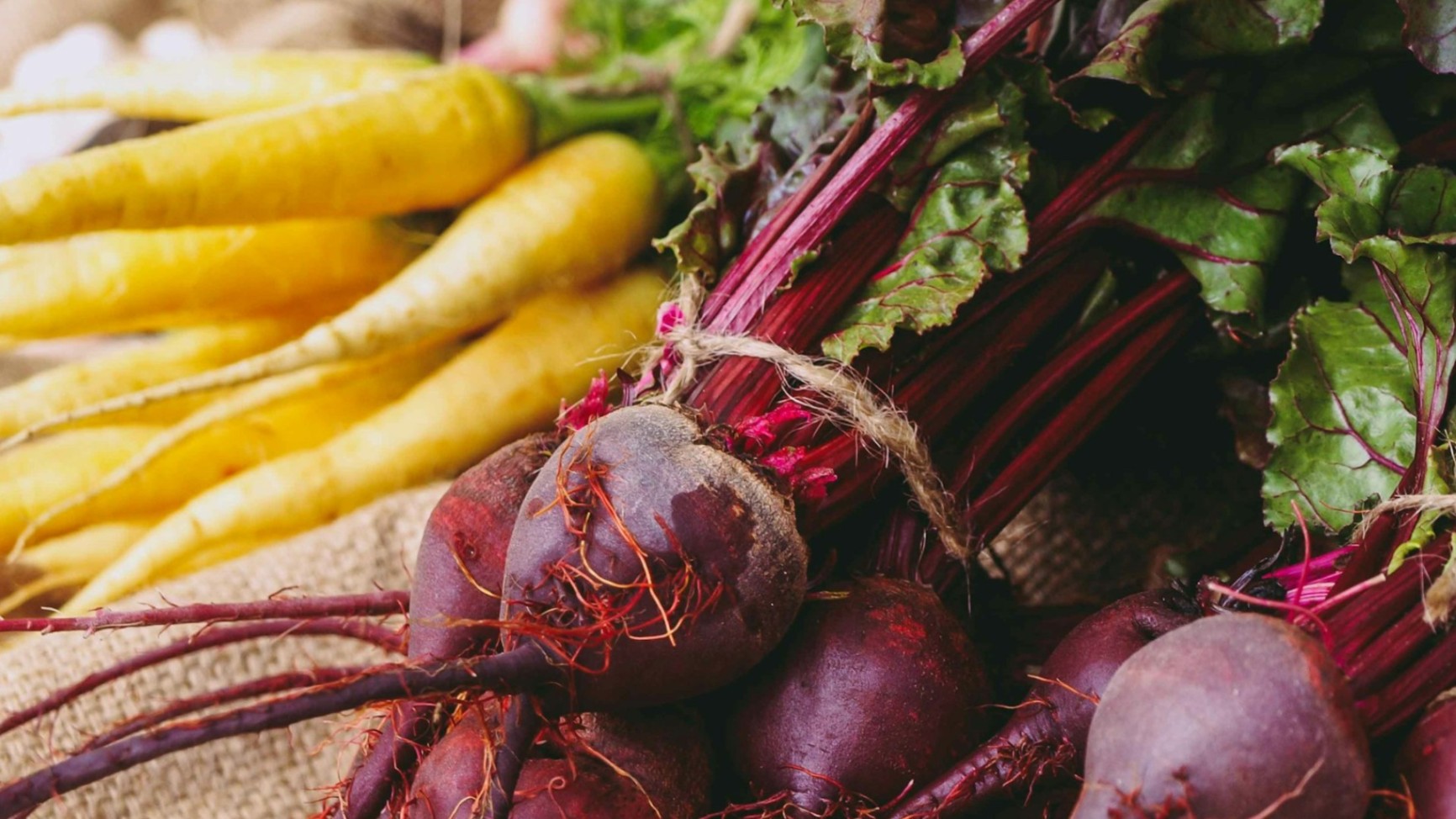
November Produce in PA, NJ and MD: What to Buy Now and What Will Keep
The first thing many shoppers notice at a farm stand in November is the empty spot where the tomatoes used to be. Peppers, eggplant and sweet corn have left with them, and the tables that remain look plainer and sturdier. That is November produce in Pennsylvania, New Jersey and Maryland: fewer crops, but most of them keep for weeks or months, so one good trip now can stock you well past Thanksgiving.
This guide sorts the month by shelf life: one basket for this week, one for the next month or two, one for winter. Timing moves with the weather, so every window below is the usual pattern, not a promise.
Frost Decides What Is Left
Tender crops do not survive frost. South Dakota State University Extension's list of fall frost tolerance puts beans, sweet corn, peppers, eggplant, cucumbers, summer squash and melons in the group that cannot tolerate even a light frost. The Penn State Extension harvest calendar for Pennsylvania lines up with that: field tomatoes run through the third week of October, and peppers, eggplant and sweet corn through mid-October.
Crops from cooler climates keep going. On the same Penn State calendar, beets, broccoli, cabbage and carrots all run through the end of November, cauliflower shows up in October and November, and radishes and squash reach the first week of November. That calendar was built around Pennsylvania farms' selling plans, so expect New Jersey and Maryland dates to run somewhat earlier or later. The University of Maryland Extension planting calendar, written for home gardeners in central Maryland, adds fall broccoli through mid-November, Brussels sprout harvests from September through December, and kale and collards that run into December.
Cold also improves some of them. Penn State Extension explains in its season extender guide that cold-hardy plants turn starch into sugar as temperatures drop, which is why carrots, turnips, rutabagas and beets taste sweeter after frost, and why Brussels sprout plants, broccoli, kale and most leafy greens do too. Culineer's October produce guide covers the apple and pumpkin peak that comes just before.
Basket One: Buy for This Week
Greens, broccoli and cauliflower belong in the first basket, with the greens eaten first. The FDA's produce safety guidance lists lettuce and herbs among the perishable produce that should sit in a refrigerator at 40 °F or below, and the same habit suits any bunch of greens you carry home.
Tender salad greens in November can come from protected growing. Penn State Extension's high tunnel guide says tunnels can stretch production up to six weeks past the first outdoor frost, and Cornell's high tunnel greens page says cold-hardy greens sown in early fall can be harvested in November and December. If a stand still has a bag of salad mix after the fields have frozen, a tunnel is a likely reason.
Basket Two: Buy for the Next Month or Two
Cabbage, carrots, beets, turnips, rutabagas, celery root and Brussels sprouts all want the same thing from you: cold and damp. The University of Missouri Extension root cellar chart calls for 32 to 40 °F and 90 to 95 percent humidity for these crops, and it says plainly not to let fruits or vegetables freeze.
Few households have a root cellar. A refrigerator drawer handles the smaller amounts, and a cold, damp corner such as a basement can hold the larger ones. Strong-smelling vegetables such as cabbage and turnips should be kept apart from other foods, since Missouri's chart warns their odor can be absorbed by fruit and other vegetables.
Basket Three: Buy for the Winter
Potatoes, onions, garlic, sweet potatoes, winter squash and apples are the winter basket, and each has its own preferred spot.
Potatoes want darkness and a temperature around 40 °F, according to Iowa State University Extension's winter storage guide. Above 50 °F they may begin to sprout in two to three months, and below 40 °F they can turn sugary and sweet. Onions and garlic need a cool, dry spot with air moving around them, not a sealed bag.
Winter squash prefers 50 to 55 °F, and Iowa State says to keep it away from apples, pears and other ripening fruit, which release a gas that shortens squash storage life. Sweet potatoes like it warmer than potatoes do, 55 to 60 °F, with off-flavors possible below 55 °F, which makes a refrigerator a poor place for them. Apples are the opposite: Missouri's chart puts them at 32 to 40 °F and 80 to 90 percent humidity, away from vegetables. Culineer's guide to Pennsylvania apple varieties flags which late-season apples are good keepers.
What Each Keeper Can Last
These are Iowa State's averages for crops in good condition that are stored properly, written with home gardeners in mind. Real results run shorter or longer, and a grower's storage room may beat a household corner.
Acorn squash is the one to cook first. If you want one squash that lasts into late winter, a Hubbard is the better bet.
Some stands stay open into the cold months. The Culineer map can filter for farm stands and CSAs near your town, so you know whom to call about this week's harvest.
A Thanksgiving List You Can Shop in Order
Cranberries come first because they are the most forgiving. In the cranberry guide it publishes, the National Center for Home Food Preservation names New Jersey as a major grower and gives the harvest as September through November. In their original packaging, the berries will hold up to 4 weeks in the refrigerator, or up to a year in the freezer. The Jersey Fresh page from the state's agriculture department also lists cranberries among the crops where the state ranks in the national top 10.
Pears come next, and they need a head start. Iowa State's pear guide says European pears ripen at room temperature (60 to 70 °F) over 7 to 10 days. A hard pear bought the weekend before Thanksgiving is a better bet for Thursday's dessert than one bought on Wednesday.
Then the sturdy side dishes: potatoes, sweet potatoes, onions and winter squash can all be bought early and stored the way described above. Leave the greens for the last shopping trip, since they are the most perishable thing on the list. Culineer's Brussels sprout page lists their usual season as September through February.
Fresh herbs for stuffing are worth asking about too, since Penn State lists herbs among the typical crops grown in high tunnels.
Questions Worth Asking at a Thinner Stand
November tables are smaller, so the grower's answers matter more. Find out whether the squash and cabbage were picked this week or pulled from storage, and which apple is holding best. A Brussels sprout plant that has been through a frost tends to taste best, so ask about that too.
A mild fall stretches the tender crops, and an early hard freeze ends them overnight, so the stand you saw last week may not match the one you visit today. Buy in order of how fast things spoil, and give each keeper the corner it prefers.
Cabbage and squash are only the start of a winter pantry. Join Culineer free and browse recipes for the keepers, with the ingredients that are in season close by.
Frequently Asked Questions
Is there any fresh local fruit in November?
Very little is picked fresh by then. On the Penn State harvest calendar, grapes, raspberries and plums have all ended by the end of October, and apples and pears end in October too. The apples and pears at stands in November have usually been held in cold storage, and New Jersey cranberries are typically still being harvested through the month.
Will I find tomatoes at a November farm stand?
Usually not from open fields, because frost ends them. A grower with protected beds may have a few, and Penn State's high tunnel guide describes late-summer tomato plantings timed to mature after field tomatoes are gone, so it is worth asking. Gardeners also bring in green tomatoes ahead of frost, and SDSU Extension says they must be at least mature green to keep ripening off the plant.
How cold can greens get before a freeze ruins them?
It depends on the crop. SDSU Extension says broccoli and cauliflower tolerate about 26 °F, cabbage, kale, kohlrabi and turnips handle moderate freezes between 24 and 28 °F, and lettuce, spinach, chard and peas handle light freezes of 28 to 32 °F. Parsnips and Brussels sprout plants taste best after several moderate freezes.
Why do potatoes sprout early next to apples?
Ripening fruit gives off ethylene gas. Missouri Extension explains that gas shortens the life of nearby vegetables, and potatoes stored near apples or pears sprout early. Keep fruit in its own spot, even if both want similar temperatures, so the potatoes stay firm for the full storage window.
How should I wash vegetables bought at a farm stand?
The FDA says to rinse all produce, farmers market finds included, under running water before you cut or eat it. Do not use soap, detergent or commercial produce wash. Scrub firm items like cucumbers with a clean brush, then dry with a clean towel. Washing reduces bacteria but does not eliminate it, and cooking kills it.

Local food stories, and the people behind them.
Join Culineer to follow local farms and markets, find seasonal recipes, and know what's fresh near you.
Sign up for freeYour recipes, seasonal fresh ideas, grocery planning - all in one place