

Culineer Team
Member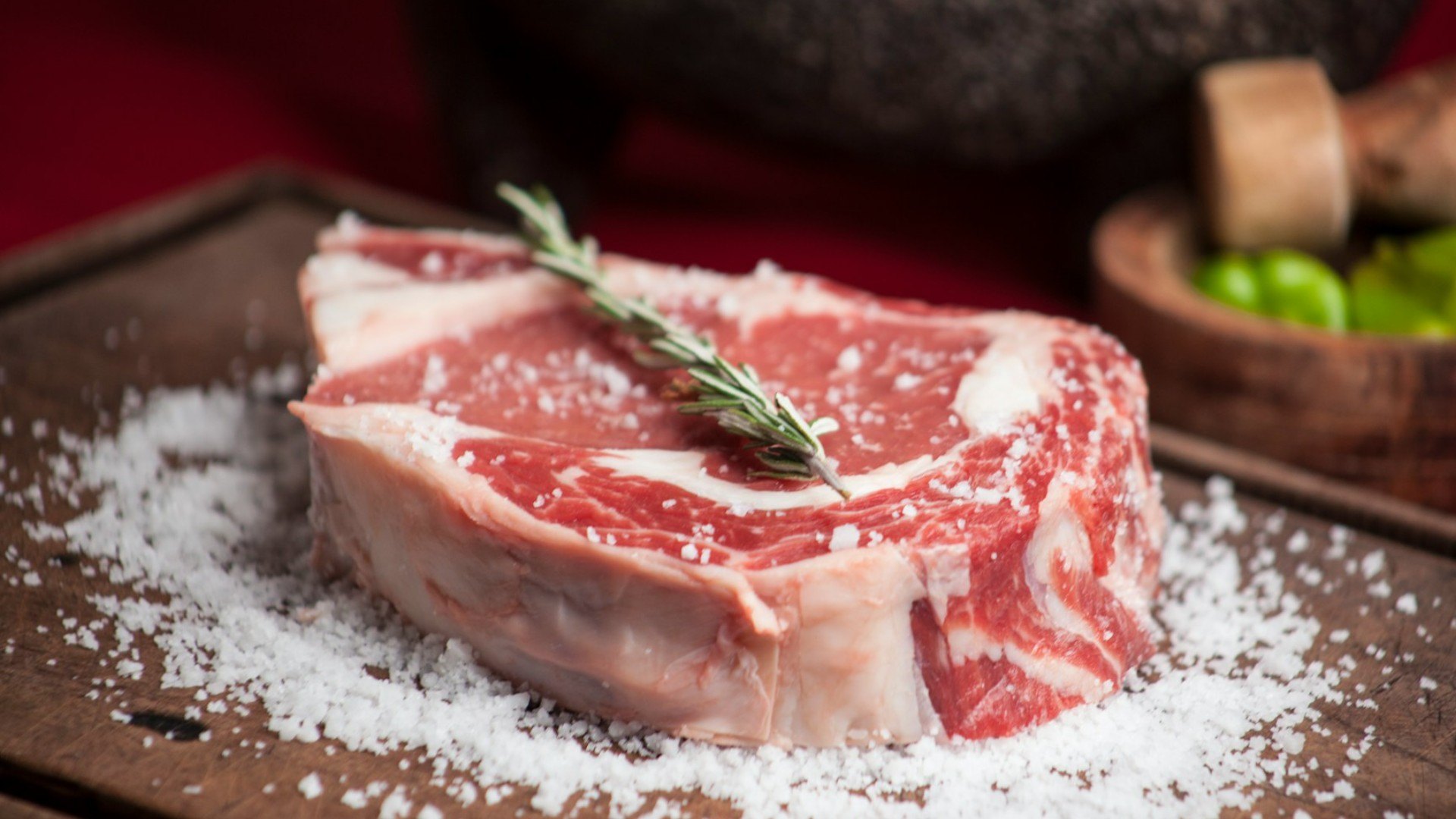
Heritage Breed Pork: What the Fat Does and What to Ask the Farmer
The chop in the farm cooler is rimmed with a band of fat you could measure with a fingertip, and the tag says heritage. It looks different from the pork you usually bring home, and that is the point of heritage breed pork. These are older pig breeds, kept going in small numbers, that put on more fat and grow more slowly than the pigs behind most grocery pork. Whether that suits you depends on the cut you cook and on what the farmer means by the word.
Heritage Pig Breeds Share a History, Not a Label
Heritage describes a breed, and extension sources define it by age and rarity. Michigan State University Extension says a breed is generally called heritage if it has existed for more than 100 years. University of Maine Cooperative Extension makes the same link, describing heritage hogs as old-world breeds that are genetically similar to pigs raised a century ago. Virginia Tech Extension adds that heritage swine are purebred animals with a long history in American agriculture that are considered endangered because of their small numbers. Tamworth, Red Wattle, Gloucestershire Old Spots, Large Black and Mulefoot are among the breeds it names.
A breed name tells you what the pig is. It says nothing about where the pig lived, what it ate or how it was handled. Pasture raised pork is a separate claim about living conditions, and a farm may offer one, both or neither. If a sign says heritage, treat it as the start of a conversation.
Virginia Tech notes that a farmer selling locally is not required to use purebred stock, and that crossbred market hogs can work very well. Its own demonstration study bred heritage-breed boars to crossbred sows to capture the flavor of the old breeds with the growth of conventional ones. So a tag reading heritage could mean a purebred pig or a cross sired by a heritage boar, and you are entitled to ask which.
Where the Fat and the Flavor Come From
The modern pig was built for leanness. The Maine publication Understanding Pork Yields explains that most commercial pigs are a Yorkshire and Landrace cross, selected for lean meat and large litters, and that grocery store pork most likely comes from them. Most heritage breeds, by contrast, were selected for lard production. They tend to carry less muscle and more fat, which is why they have long been used for cured and charcuterie-style products.
Virginia Tech says the same in plainer terms: compared with commercial hogs, heritage swine put on more fat and have lighter muscling, which may not appeal to every shopper. It also notes that many chefs and consumers consider heritage pork superior in taste and texture, which is a judgment, not a measurement. MSU Extension adds that the extra fat contributes flavor and that Berkshire pigs in particular are prized for the marbling running through the meat.
Numbers help. In a national progeny test summarized in an MSU Extension swine breeds bulletin, loin chops from Berkshire pigs averaged about 2.5 percent intramuscular fat, while Yorkshire and Landrace chops averaged about 1.7 and 1.9 percent. The bulletin notes that 2 to 3 percent is typically preferred in loin chops in the United States and that marbling is often thought to relate to flavor. Maine adds a caution: diet is a major contributor to the quality of the fat and the taste of the meat, so breed is only part of the story.
Slower Growth Means Fewer Pigs and Later Dates
A pig that grows slowly is on the farm longer. University of Maine Cooperative Extension says commercial hogs typically reach market weight in under 6 months, pasture-raised pigs can take an extra month or two, and some heritage breeds take longer still. The USDA Food Safety and Inspection Service describes pork generally as coming from young animals of 6 to 7 months old.
Virginia Tech describes a Kentucky trial in which purebred heritage pigs were raised on pasture. Tamworth pigs reached 318 pounds at 6.5 to 8.5 months, Red Wattle pigs reached 300 pounds at 7.5 months and Gloucestershire Old Spots pigs weighed 247 pounds at 8 to 10.5 months. For you, that means a farm selling heritage pork may have fewer animals going to the butcher in a year, and they may be ready on a schedule that follows the pig rather than the calendar.
Pick your town on the Culineer map, call a few nearby farms and ask which of them raise pigs and which breeds they keep.
Match the Cut to the Fat
FSIS tells cooks to bring raw pork steaks, chops and roasts to a minimum internal temperature of 145 °F, measured with a food thermometer, and to rest the meat for at least 3 minutes before carving. Ground pork patties need 160 °F. Those figures come from the FSIS pork safety page, and official guidance can change, so check the page before you rely on them.
Within those limits, the extra fat gives you some cushion, though a thermometer still beats a timer. Cuts with the most fat, such as the belly and shoulder, suit slow, moist cooking. Culineer's braised sliced pork belly recipe is one way to use the belly. A leaner cut like tenderloin does well in a hot oven, and the garlic baked pork tenderloin recipe builds flavor with butter and herbs. For a chop, a short pan sauce such as the fig sauce for pork chop takes about 5 minutes. Culineer's pork ingredient page also advises looking for white or creamy fat and some marbling when richness matters.
Questions to Ask Before You Buy Heritage Pork
A farmer who sells heritage pork usually has stories about the animals, and these questions draw them out:
Which breed or breeds, and whether the pigs are purebred or crossbred.
How old the pigs were at harvest.
Whether the pigs spent time on pasture or in woods, and what they ate besides what they found.
Where the pigs were processed and whether the plant is inspected.
Whether you can buy a single cut, or only a share.
Keep the answers in a note on your phone. If you later compare two farms, the details count for more than the adjective on the sign.
Buy One Package Before You Buy a Hog
Start with a chop, a pound of ground pork or a slab of bacon from a farm that interests you. Cook it the way you always do and see whether the difference earns a second trip. That purchase commits neither your freezer nor your calendar.
A share is a bigger step, and pork has its own freezer math. Maine's guidance allows about 1 cubic foot of freezer space for 30 pounds of pork, and its worked example for a 300 pound pig lands near 3 cubic feet for a half hog. Ask the farm how many pounds of packaged meat to expect and do the division for your own freezer. Bacon and sausage have the shortest freezer window, 1 to 2 months for best quality according to the FSIS freezing chart, so those go on the first week's menu. Culineer's CSA post covers how shares work in general, including add-on meat shares.
Join Culineer free to look for the farms around you and see what each has available.
Frequently Asked Questions
Is heritage pork the same as pasture raised pork?
No. Heritage names the breed, while pasture raised describes where the pig lived. Virginia Tech's demonstration study sired crossbred pigs with heritage-breed boars and then raised them in intensive confinement more typical of modern commercial farms, which shows that heritage genetics and outdoor living are separate questions.
How much packaged pork comes from one hog?
The University of Missouri Extension guide to buying meat direct from the farm puts the average hog at about 73 percent dressing and 36 percent take-home, meaning roughly a third of live weight arrives as packaged meat. Maine reports heritage dressing percentages ranging from 64 to 75 percent, so fat-heavy pigs can yield less than their weight suggests.
How long can I keep heritage pork in the refrigerator and freezer?
On its fresh pork page, FSIS lists roasts, steaks, chops and ribs at 3 to 5 days in a refrigerator at 40 °F and 4 to 6 months in a freezer at 0 °F. Its general freezer chart gives a wider 4 to 12 months for uncooked roasts, steaks and chops, so the two FSIS pages do not match. Plan on the shorter, pork-specific figure, and remember that FSIS says freezer times are about quality only and that food kept frozen stays safe indefinitely.
How long should I braise a heritage pork shoulder?
The FSIS pork chart lists 2 to 2 1/2 hours for a boneless shoulder butt of 3 to 6 pounds when braised, and 1 1/2 to 2 hours for ribs. Treat those as starting points and check with a thermometer, since the chart notes its times were compiled from various resources.
Are heritage pig breeds endangered?
Many are rare. Virginia Tech lists Choctaw, Large Black, Mulefoot and Ossabaw Island as critical, Gloucestershire Old Spots, Guinea Hog, Meishan and Red Wattle as threatened, and Tamworth as recovering, using a conservation priority list from a livestock breed organization.

Local food stories, and the people behind them.
Join Culineer to follow local farms and markets, find seasonal recipes, and know what's fresh near you.
Sign up for freeYour recipes, seasonal fresh ideas, grocery planning - all in one place