

Culineer Team
Member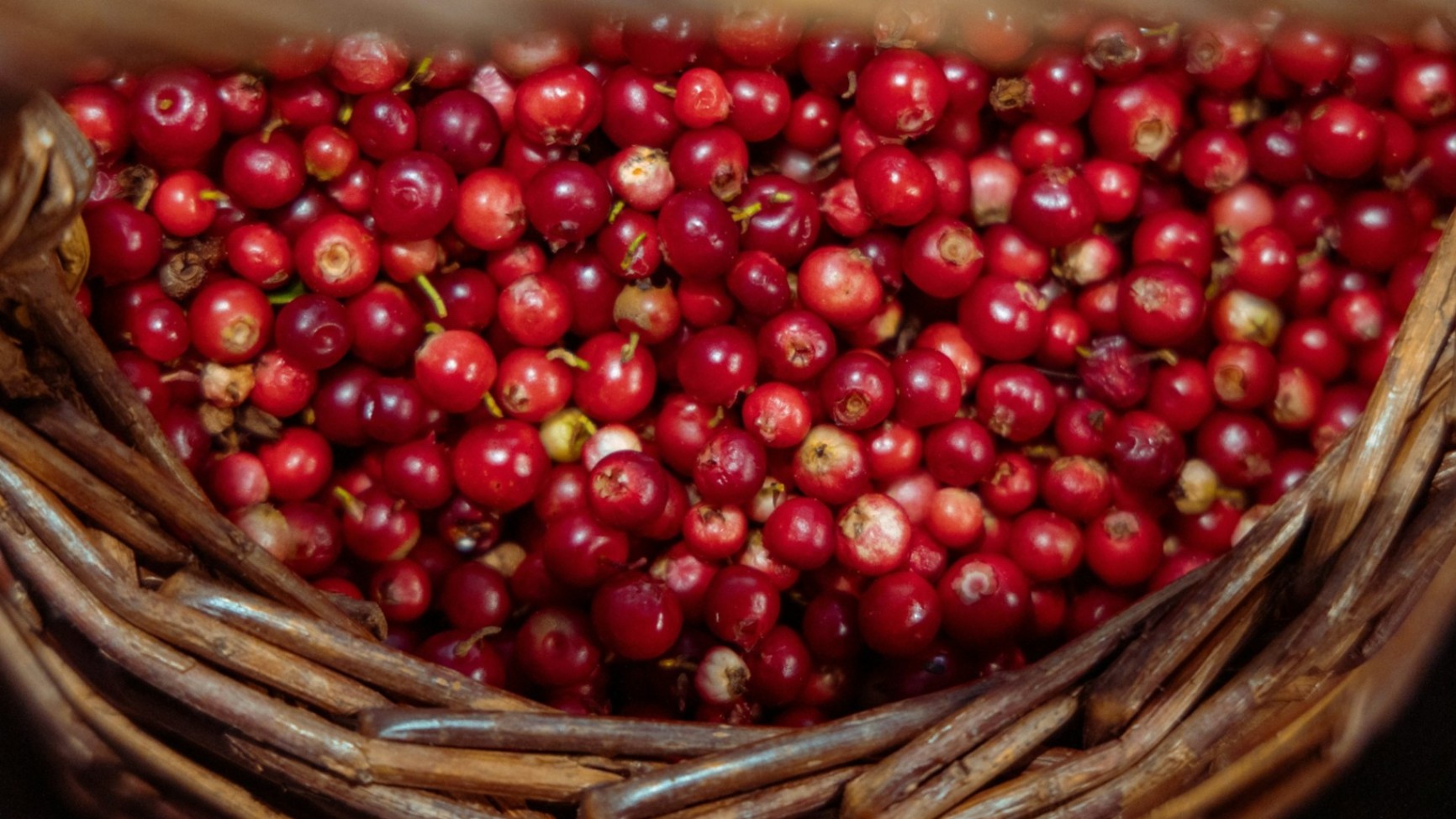
December Produce Guide: What Farm Stands Still Have, Week by Week
You are planning a holiday dinner and you want part of it to come from a farm within driving distance. The question is not what to cook but what December produce is left to buy. The list is short, and it shrinks on a schedule: hardy greens and cabbage relatives in the first week, storage crops by the second, and a pantry-style table by the time the holidays arrive.
Knowing the schedule keeps you from arriving at a bare stand with a recipe in your pocket. Everything below is a usual pattern for Pennsylvania, New Jersey and Maryland. A mild stretch can prolong the fall crops, and a hard freeze can end them overnight.
Why the Field Season Winds Down
The Penn State Extension harvest calendar, built around Pennsylvania farms' marketing plans, shows the problem at a glance. Its latest-running crops, which are beets, broccoli, cabbage and carrots, all end at the close of November. After that, what comes from open ground is limited to the toughest plants.
Light is part of the story too. Cornell's high tunnel greens page notes that between the end of December and the beginning of February, when days drop below 10 hours, there is little or no growth even under cover. Winter production relies on "banking" greens that grew in late fall, so a grower is harvesting a crop that is already in place, not planting a new one.
Week One: The Last Hardy Greens and Cabbage Relatives
Early December is the tail end of what the field can still give. The planting calendar from University of Maryland Extension, written for home gardeners in central Maryland, shows kale harvests running through December, collards through mid-December, Brussels sprout picking from September to December, and fall spinach through mid-December.
These are the crops that improve in the cold. Penn State Extension's season extender guide says cold-hardy plants convert starch into sugar when temperatures fall, which is why kale, broccoli, Brussels sprout plants and most leafy greens can taste sweeter after frost. A bunch of kale bought now has likely been through several cold nights, and that often shows in the flavor.
If a grower has spinach or salad greens in December, they are likely coming from a protected bed. Penn State's high tunnel production guide says growers use a tunnel within a tunnel to keep cold-weather crops such as spinach and greens going through the winter. Cornell names spinach, mache and claytonia among the greens that can ride out midwinter in an unheated tunnel with row covers.
Week Two: Storage Crops Take Over
By the middle of the month, most of what you see was harvested weeks ago and held in cold or cool storage. Roots, onions and squash are the crops built for it, and some of them improve in the cold.
Parsnips are a good example. In its winter storage guide, Iowa State University Extension explains that starch in parsnips turns to sugar in cool fall weather, that they keep 2 to 6 months in cold storage, and that they can stay in the ground under straw to be dug in spring. Culineer's parsnip page lists their usual season as October through March. The University of Missouri's root cellar chart adds that horseradish and Jerusalem artichokes can stay in the ground too, and that digging can continue unless the soil is frozen hard.
Fruit is in the same position. Apples and pears do not grow in December, but they keep. The cold storage page from University of Maine Cooperative Extension says both keep for up to four months under ideal conditions, at 32 to 38 °F depending on variety. Culineer's Pennsylvania apple varieties guide names the late-season apples that are meant for storage, so you can ask a grower for those by name.
Winter hours at farms can run short. The Culineer map lists stands and CSAs by town, so find a few and phone ahead to ask what December has on the table.
Holiday Week: Cooking for a Crowd From a Thin Stand
A holiday menu works best when it leans on the sturdy things, and roasted roots make the backbone. The root vegetables page on Culineer groups carrots, beets, turnips, rutabagas, parsnips and celeriac together and notes that they can be roasted, mashed or cooked into soups and stews. A tray of mixed roots, a pan of braised greens and a baked apple dessert is a meal that can be built almost entirely from local winter stock.
Pears take a plan. Iowa State's guide to pears says European pears held in the refrigerator should come out about a week before you want to eat them so they can ripen at room temperature. Iowa State gives European pears a refrigerated life of one to three months, so ask the grower when they went into the cooler. Culineer's pear page covers the common types and how they cook.
Fresh cranberries are in the same late window. In its cranberry article, the National Center for Home Food Preservation reports that fresh berries are usually in stores from October through December or early January, so a bag bought now is still around, though the supply is ending.
The Missouri chart says stored fruits and vegetables must not be allowed to freeze. A bag of squash or apples left in a cold car overnight could, so carry produce straight inside.
What Is Not Local in December
Some things people expect in a winter fruit bowl are not grown here in December. Citrus is in season, only elsewhere: the USDA's National Agricultural Statistics Service says in its citrus slide show that Florida's harvest generally runs from September through June. Tomatoes, peppers, berries and sweet corn have no open-field source here in December, so if you see them at a stand they probably came from elsewhere or from a protected grower. Ask which.
How to Shop a Thinner Stand
Go in with a flexible list and a few questions: which items were picked this week and which came out of storage, whether the greens come from a tunnel, and what the grower is cooking at home. On cold mornings tunnel growers cannot harvest frozen leaves, according to Cornell, so greens may be limited until things thaw.
Pick up the sturdy roots first and the perishable greens last. A December basket of kale, a few roots, onions, apples and pears is smaller than an October one. It still makes a full dinner.
A thin month is easier with a guide to what is available. Join Culineer free and see what local producers near you still have.
Frequently Asked Questions
Is there any local fruit in December besides apples and pears?
Very little is fresh. Most apples and pears at a December stand come out of cold storage, and some orchards use controlled atmosphere rooms that hold the fruit longer. University of Maryland Extension's article on controlled atmosphere storage says that method is beneficial for fruit stored four months or more, though storage past six months can dull the aroma. Ask when the fruit was picked.
Can hoop house lettuce and arugula last all winter?
Not usually in the coldest weeks. Cornell says lettuce, endive, arugula, radishes, beets, turnips and leeks are generally hardy in a tunnel in late fall and early spring, but not through the dead of winter. Spinach, mache, claytonia and some Asian greens are the ones expected to hold up under row covers.
How long will winter squash keep after I buy it?
It depends on the type. Iowa State gives about 5 to 8 weeks for acorn squash, 2 to 3 months for butternut and 5 to 6 months for Hubbard when properly cured and stored at 50 to 55 °F. Use acorn first, and keep squash away from apples and pears, which shorten its storage life.
Should I keep carrots in the refrigerator or a cold garage?
Either can work if the carrots stay cold and damp. Iowa State says carrots store best at 32 to 35 °F and very high humidity, may sprout or decay at 40 °F or above, and wilt if humidity falls below 95 percent. Small amounts keep well in perforated plastic bags in a refrigerator.
How do I freeze extra cranberries?
Extension food preservation specialists say to choose firm, deep-red berries with glossy skins, stem and sort them, then wash and drain, as described on the freezing cranberries page. Pack the drained berries without syrup in containers with room at the top, or spread them on a tray to freeze first and move them to a container afterward. The cranberry article linked above says frozen berries keep up to a year.

Local food stories, and the people behind them.
Join Culineer to follow local farms and markets, find seasonal recipes, and know what's fresh near you.
Sign up for freeYour recipes, seasonal fresh ideas, grocery planning - all in one place