

Culineer Team
Member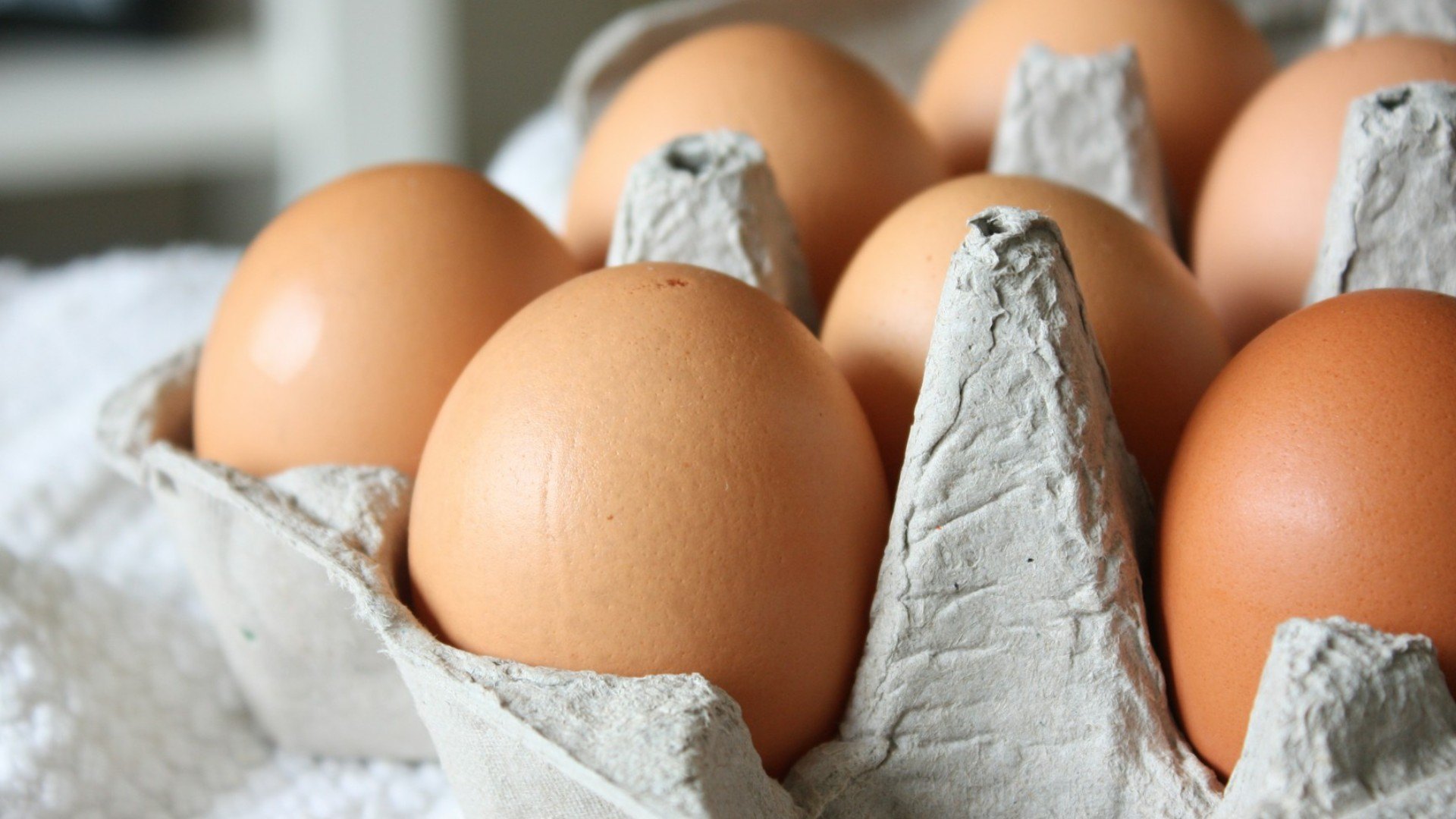
Pasture Raised vs Free Range: What Each Label Promises on Eggs and Chicken
The federal agency that signs off on chicken labels has been asked, formally and more than once, to define free range and pasture raised. So far it has chosen not to. That one fact explains why pasture raised vs free range can feel slippery at the egg case or the chicken counter: two packages can use different words for similar birds, or the same word for quite different ones. Below is what each label tends to promise, and the plain questions that get you the rest.
When Regulators Were Asked to Define These Words
The Food Safety and Inspection Service (FSIS), the USDA agency that reviews meat and poultry labels, laid out its position in a notice on animal-raising claims. The notice shows how contested the vocabulary is. More than nine thousand comments came in on an earlier version of its guideline, and many argued that free range and pasture raised should not be treated as synonyms, because the practices behind them are quite different.
Petitions pulled in different directions. One, from an animal welfare organization, asked FSIS to define free range for poultry as daily outdoor access for at least 51 percent of a bird's life, with plants covering at least half of the outdoor space. A later one, from a poultry company, asked the agency to reserve pasture raised for chickens that spend most of their lives physically on pasture.
FSIS wrote neither definition into its regulations. Its reasoning was that raising methods vary and keep changing, so a fixed list would be hard to maintain, and that locking in a meaning could penalize farmers who improve their practices. What it does is review each claim on a label case by case, using documentation the company submits. For pasture-type claims, it asks for written proof that the animals lived mostly on land covered in rooted vegetation, grass included, for most of their lives. The agency calls that a strong encouragement, not a requirement.
The notice is a guideline, and guidelines get revised. Read the FSIS page itself for the current wording.
Egg Cartons Come With Their Own Vocabulary
Eggs are a separate case from chicken meat. The USDA Agricultural Marketing Service explains cage-free and free-range in its shell egg questions and answers, and the NC State Extension guide to egg labels covers the rest. Put together, they describe the common terms like this:
Cage-free
Per USDA, hens roam in indoor barns with access to food and water, and the system has to include things like perches, nests and scratch areas.
Whether the hens ever go outside.
Free-range
USDA calls it an industry term for cage-free housing plus access to the outdoors during the laying cycle.
How much time the hens spend outside, and what the outdoor area is like. USDA says outdoor areas vary from farm to farm.
Pasture-raised
NC State says it is generally meant to suggest substantial time outdoors with access to pasture.
Nearly everything. For shell eggs it is not a single federally regulated term and has no formal USDA definition.
Organic
NC State says hens eat certified organic feed, with limited exceptions for certain vitamins and minerals, have year-round outdoor access and are not given prohibited substances, including antibiotics.
Freshness, flock size and breed, which the seal does not address.
Third party verified
Standards written and checked by an independent organization.
Standards differ from one program to the next.
Read the middle rows twice. Free-range promises a door, not a habit. Pasture-raised promises a feeling, and for eggs the feeling is only as firm as the farm or certifier behind it, so two cartons can both say pasture raised and describe quite different lives. One wrinkle: NC State describes free-range as a USDA-regulated claim, while the USDA page itself says industry term. Either way, it needs a follow-up question.
A Certification Is a Second Opinion, and Second Opinions Differ
When a claim is backed by an outside certifier, FSIS will approve the label only if it shows the certifier's name and website, and the certifier's standards are meant to be posted there. That gives you something to do at home: find the name and website on the package and read what the standard requires. Do it once for the programs you see most often and you will notice that their requirements are not identical. NC State Extension makes the same point, noting that standards vary among third party programs and that shoppers can review what each one requires and how compliance is verified.
Organic is a different kind of label, with federal standards and annual verification behind it. NC State Extension's separate guide to food label claims says compliance with the National Organic Program is verified every year by a third party certifier. For a side-by-side look at the USDA seal and the newer certifications that build on it, see the Culineer post decoding organic food labels.
A farmer can answer what a carton cannot. Look up farms by town on the Culineer map, then take the questions below with you.
At the Stand, a Plain Answer Can Say More Than a Label
That same label guide makes a point shoppers often miss. Labels may matter less for farmers who sell directly at markets or through shares, because those farmers can tell you how they raise their animals. Labels earn their keep where the producer is not standing there, such as a store shelf. The guide also reminds readers that not every label is backed by a certification, so it falls to the buyer to find out what a claim rests on.
University of Maryland Extension points in the same direction from the farm side. In a model membership agreement for farm shares, its specialists suggest that a farm state its practices, with free range and grass fed named as examples, and steer clear of wording that might mislead. A farm that puts its practices in writing gives you something to hold it to.
At the stand, start with time outdoors: how many hours a day the birds are out, and whether that changes with the seasons. Then the ground: what is growing in the run, and how often the flock moves to a fresh patch. A farmer who keeps birds on pasture will have those answers ready. Ask what the birds eat besides what they find outside, and who checks the claim, the farmer alone or an outside certifier. Both are fair answers. You only need to know which one you have.
A farm that sells to neighbors can usually show you the setup, so take the invitation if one is offered. For help finding sellers, Culineer's post on buying farm fresh eggs direct covers where to look in Pennsylvania, New Jersey and Maryland and what to ask.
Choose the Label That Matches What You Care About
The label worth trusting depends on what you care about.
Outdoor space for the hens: read free range as a minimum and ask for details. Birds living mostly on grass: use the pasture questions above and look for a certifier whose posted standards say so. Feed: organic is the label with the most federal detail. Knowing who raised your food: a farmer you can talk to beats all three.
Culineer's eggs ingredient page and chicken ingredient page each include a where-to-buy section, which lets you line up a few local sellers and compare their answers side by side.
Pasture raised vs free range turns out to be a question about each farm, not about the two phrases. Whichever word is on the sign, get the birds' days described in the farmer's own words.
Join Culineer free, look up the producers in your community and put the carton questions to each of them.
Frequently Asked Questions
Does cage-free mean the hens go outside?
No. USDA describes cage-free hens as roaming in indoor barns, and NC State Extension says the same, with no promise of outdoor access. NC State adds that only eggs USDA has officially graded and certified as coming from cage-free flocks may carry a cage-free design, so look for that mark if housing matters to you.
Are pasture raised eggs more nutritious?
Not reliably. The USDA Agricultural Marketing Service says it has no definitive scientific data showing a nutritional difference from hen housing, and NC State Extension says nutrient content can vary somewhat with how hens are raised and fed. Yolk color follows diet, while shell color is mostly breed and does not significantly change flavor or nutrition. Judge a carton by what the hens ate, not by shade.
Does an antibiotic-free label on eggs add anything?
Less than it sounds. NC State Extension notes that every egg sold in the United States must meet FDA requirements for drug residues, whether or not the carton makes a claim, because producers must observe withdrawal periods before eggs from treated hens enter the food supply.
Is grass fed the same as pasture raised?
No. FSIS lists grass fed and free range among examples of separate animal-raising claims. Culineer's grass-fed beef page notes that some products come from cattle that grazed on grass but were finished on grain, while others are labeled 100 percent grass-fed, so ask how the animals were finished.
What makes a third party certifier credible?
FSIS recommends certifiers that are independent of the company paying for certification and that routinely audit, validate and verify the claims on the label. The agency says its own jurisdiction over what happens on farms is limited, which is why it strongly encourages third party certification and looks at each certification program to judge whether it is suitable.

Local food stories, and the people behind them.
Join Culineer to follow local farms and markets, find seasonal recipes, and know what's fresh near you.
Sign up for freeYour recipes, seasonal fresh ideas, grocery planning - all in one place