

Culineer Team
Member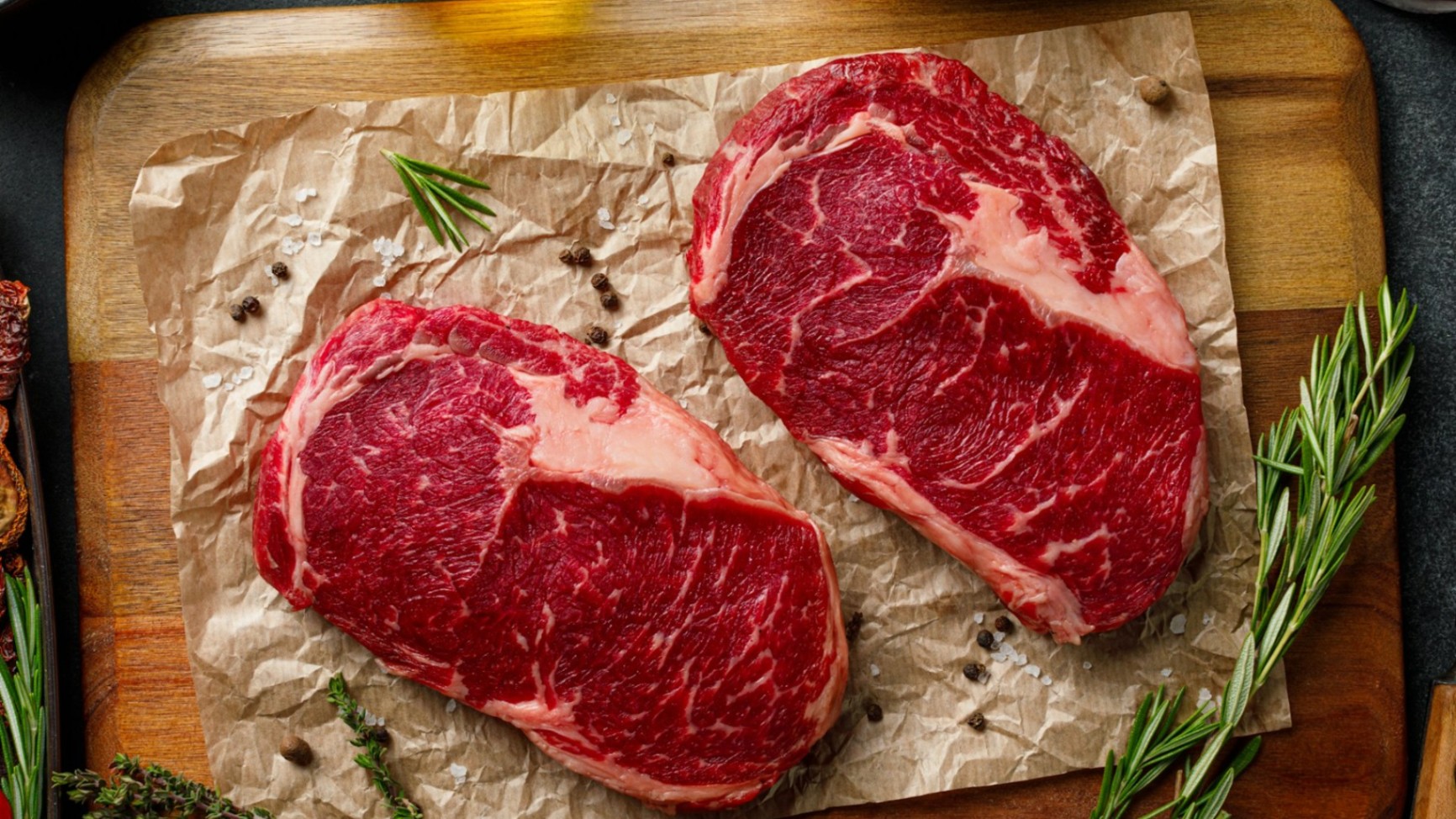
Grass Fed Beef Near Me: What the Words Mean and What to Ask the Farm
Picture a hand-lettered sign at a farm stand that says grass fed. Nothing on it says whether the cattle ever ate a bite of grain. That gap is why a search for grass fed beef near me turns up farms using the phrase in slightly different ways. The USDA once had a written definition of its own, and in January 2016 the agency that wrote it withdrew it, according to a Federal Register notice. The words still tell you something. They tell you more once you have asked the farmer a few follow-up questions.
A Federal Definition Came and Went
Oregon State University's Small Farms Program reported in winter 2016 that the USDA Agricultural Marketing Service (AMS) had published a grass fed definition in 2007, meant to clear up confusion about what the phrase on meat labels promised: lifetime feed of 100 percent grass and grass-based forage. The Federal Register notice says AMS withdrew that standard, along with a second one for naturally raised livestock, effective January 12, 2016. Oregon State's report says AMS described defining such terms as not its job, and that the Food Safety and Inspection Service (FSIS), another USDA agency, would handle the question through its approval of label claims.
What exists now is a review process. FSIS lists Grass Fed among its examples of animal-raising claims, and its notice about animal-raising claims says it evaluates labels carrying such claims case by case. The company submits its animal production protocol, and FSIS approves the label if the documentation supports the claim, the claim is truthful and not misleading, and any qualifying information is clearly displayed. In the same notice FSIS says it has decided not to write definitions of specific animal-raising claims into its regulations at this time, because raising practices vary and keep developing.
The notice also strongly encourages third party certification, where an independent organization verifies on the farm that stated standards are being met. A label that relies on a certifier has to show the certifier's name and a website address where the standards can be found. FSIS revises this guidance now and then, so read the notice for the current text.
One Phrase, Several Meanings in Print
University and USDA sources describe the terms in their own ways, and they do not line up:
Oregon State, on the withdrawn federal standard
A lifelong diet limited to grass and forage, stated as 100 percent.
USDA Economic Research Service, in an article on food labels
Beef from cattle primarily raised on a grass-fed diet.
North Carolina Cooperative Extension
Grass fed means pasture access for life and no grain. Grass finished means grain may have been fed at some point. Both are unverified claims, with no third party inspecting or certifying them.
Grass finished or pasture finished means a stretch on higher quality forage to fatten the animal, with fat that stays yellow. Grain finishing in a feedlot adds marbling and turns the fat white.
Read down the right column and the same phrase promises different diets. Apart from the withdrawn standard, none of these is a legal definition. They show the range of meaning a farm might have in mind, and they show why asking is not rude.
Pasture raised beef near me is another phrase you will meet. Clemson's pasture finished sits close to grass finished, but a farm that says pasture raised may mean the whole life of the animal or only the last stretch. Ask which.
Questions That Settle It at the Farm
A farmer who raises grass fed cattle usually enjoys describing the system. These topics bring out the details:
What the cattle ate from birth to harvest, and whether any grain or other feed besides forage came into it.
What the animals eat in winter. Clemson notes that cattle eat either pastured forage or stored forage, typically dry hay.
How old the animals are at harvest. University of Maine Cooperative Extension reports that grass-fed cattle are generally 22 to 30 months old, against 12 to 18 months for grain-fed cattle.
Whether anyone outside the farm verifies the claim, and where those standards can be read.
Whether antibiotics and hormones are covered. FSIS lists "Raised Without Antibiotics" and "Raised Without the Use of Hormones" as separate claims from "Grass Fed," so ask about each one.
Which breed, and where the beef is processed.
Culineer's grass-fed beef page draws the same line. It describes beef labeled 100% grass-fed alongside beef from cattle that grazed but were finished on grain, and suggests checking the label or asking the farmer about diet and finishing if those details matter to you. For breed, the beef ingredient page lists several common beef cattle breeds with what each is known for.
Better to hear it from the farmer than from a sign. The Culineer map puts farms near you in one place, searchable by farm or town, so you can phone about farm beef for sale and ask the questions above.
Lean Beef Takes a Lighter Hand at the Stove
Grass fed beef tends to be leaner. North Carolina Extension says it typically has less marbling and fat than grain-fed beef, and notes that marbling is responsible for much of beef's flavor and tenderness. Clemson expects the same from grass finished beef, which can mean a less tender, less juicy cut. North Carolina adds that many people simply prefer one flavor over the other and suggests trying both.
Culineer's grass-fed page matches the logic by cut: for quick cooking it points to cuts with some marbling, such as ribeye or strip steak, and says leaner sirloin and round cuts work when cooked carefully or sliced thinly. Ground grass-fed beef suits burgers, meatballs, meatloaf and sauces. Culineer's steaks page adds that thicker steaks are often easier to bring to the desired internal temperature without overcooking the center, while thin ones cook more quickly.
The safe minimums do not change with the diet. The FoodSafety.gov temperature chart lists 145 °F with a 3 minute rest for steaks and roasts and 160 °F for ground beef, and a thermometer is the way to check.
Buying by the Cut Lets You Taste First
If a farm sells packages, begin there. Culineer's individual beef cuts page describes cuts sold on their own rather than inside a larger share and matches them to methods: tender steaks to the grill or skillet, tougher well-marbled cuts to long braises, ground beef to burgers and chili, and stew meat to soups.
As a suggestion, try a pound of ground beef, one steak and one roast. Cook them plainly, check them with a thermometer, and notice whether the flavor and texture earn another trip.
A larger share is a separate decision, and grass fed cattle add two wrinkles. North Carolina Extension says grass-fed cattle take longer to reach the proper weight and finish, so ask when the next animals will be ready. Maine says grass-fed cattle dress out 5 percent lower than grain-fed cattle, so ask a farm how many packaged pounds it expects, not only the share size. Penn State Extension explains in its note on processor types that retail packages sold by the piece or pound need an inspected animal and the mark of inspection, which gives you something to look for on a farm's packages.
Where to Look for Farms in Pennsylvania, New Jersey and Maryland
Local beef near me is a distance question, and grass fed is a diet question. A farm can be down the road and finish its cattle on grain, and a grass fed label can come from far away. Ask both.
For Pennsylvania, Culineer's regions page lets you browse farmers markets, producers and what is in season by county and city. Use it to find the markets and farms around you, then ask who sells beef and how it is raised. In New Jersey and Maryland, start from the map instead, because region pages cover only Pennsylvania counties.
Beef is one stop of many. Join Culineer free and discover producers in your community, with what is in season and available around you right now.
Frequently Asked Questions
Is grass fed beef healthier?
North Carolina Extension says grass-fed beef tends to be lower in calories because it has less fat, and that it has been shown to have higher levels of omega-3 fatty acids than grain-fed beef. It also says that choosing between the two comes down to personal preference for taste and ideals, and that beef of either kind is a healthy and safe part of a diet.
Is grass fed beef also organic?
Not automatically. The USDA Economic Research Service explains that organic beef may or may not be grass-fed, because organic grain may be used for feed. A grass-fed claim describes diet, while organic is a separate certification, so ask about each claim on its own.
Why does grass fed beef look different in the case?
Clemson says yellow fat comes from eating grass forage, while grain finishing in a feedlot turns the fat white, and North Carolina Extension notes the same yellow tint along with less marbling. For freshness, Culineer's grass-fed page suggests looking for a consistent color and no unpleasant odor.
Does raising method change food safety?
No. Michigan State University Extension says bacteria such as E. coli have been found in animals from all production systems, including grass fed. It adds that grinding mixes surface contamination throughout the meat, so burgers need 160 °F in the center. The USDA Economic Research Service adds that research is inconclusive on whether grass-fed beef is safer, and that all beef sold in the United States is subject to FSIS inspection.