

Jodi Frank
Member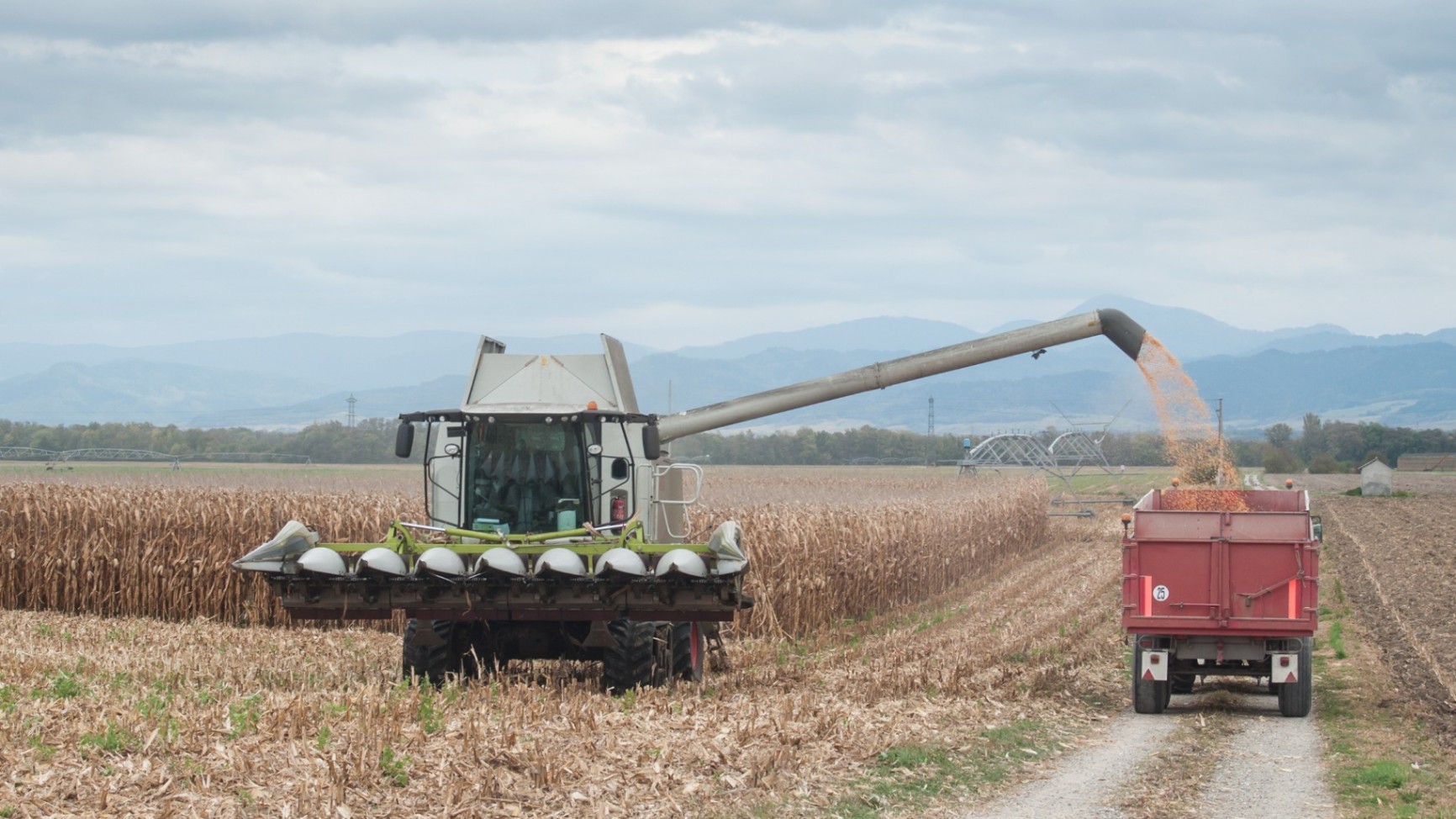
Eat Local Produce!
It's good for your body, good for the environment — and it tastes great.
If you're anything like I was before starting Culineer, you probably aren't fully aware of how we've collectively broken our food system. Without getting preachy about it, I'd like to share something I've learned this year. My hope is that it enlightens you — and maybe inspires a few simple changes that actually make a difference.
How We Got Here
In the 1960s, we experienced the "Green Revolution" — a shift in how crops were produced that introduced synthetic fertilizers, pesticides, high-yield crop varieties, and mechanized farm equipment. Government subsidies incentivized farmers in ways that accelerated monocropping — growing a single crop across massive stretches of land, season after season.
The thinking made sense at the time: produce more food, feed more people. But we got it wrong.
If you want to go deeper, this easy-to-read presentation from Shawn McKenzie at the Johns Hopkins School of Public Health lays it out well.
What Monocropping Actually Does
The problem with monocropping is straightforward: it wrecks the environment and depletes soil of nutrients. Many industrial farming practices contribute directly to our carbon problem. And perhaps most relevant to your dinner table — it reduces the variety and nutritional density of the fruits and vegetables available at your local grocery store.
There are people across the agricultural world working hard to change this. But the reality is that big business controls a significant portion of our food system, and profits drive most of the decisions. Meaningful change will only happen when consumers demand it.
So What Can You Do?
Quite a bit, actually:
Buy from local farms that practice sustainable or regenerative methods
Be selective at the grocery store — more stores are offering these options now, but you have to look for them
Shop at farmers markets — your dollars go directly to the farmer
Join a CSA (Community Supported Agriculture) for a weekly box of seasonal produce from a farm near you
Join a community garden or start a backyard garden of your own
Every one of these choices matters more than it might seem.
This post was first published on our previous website in June 2021, when we were first exploring ways to help people find a better way of eating. We're republishing it now as an anchor post for our new blog. Going forward, we'll be sharing information about food and farming practices, farm and market spotlights, ingredient guides, and what to look for on food labels. We hope you'll follow along.