

Culineer Team
Member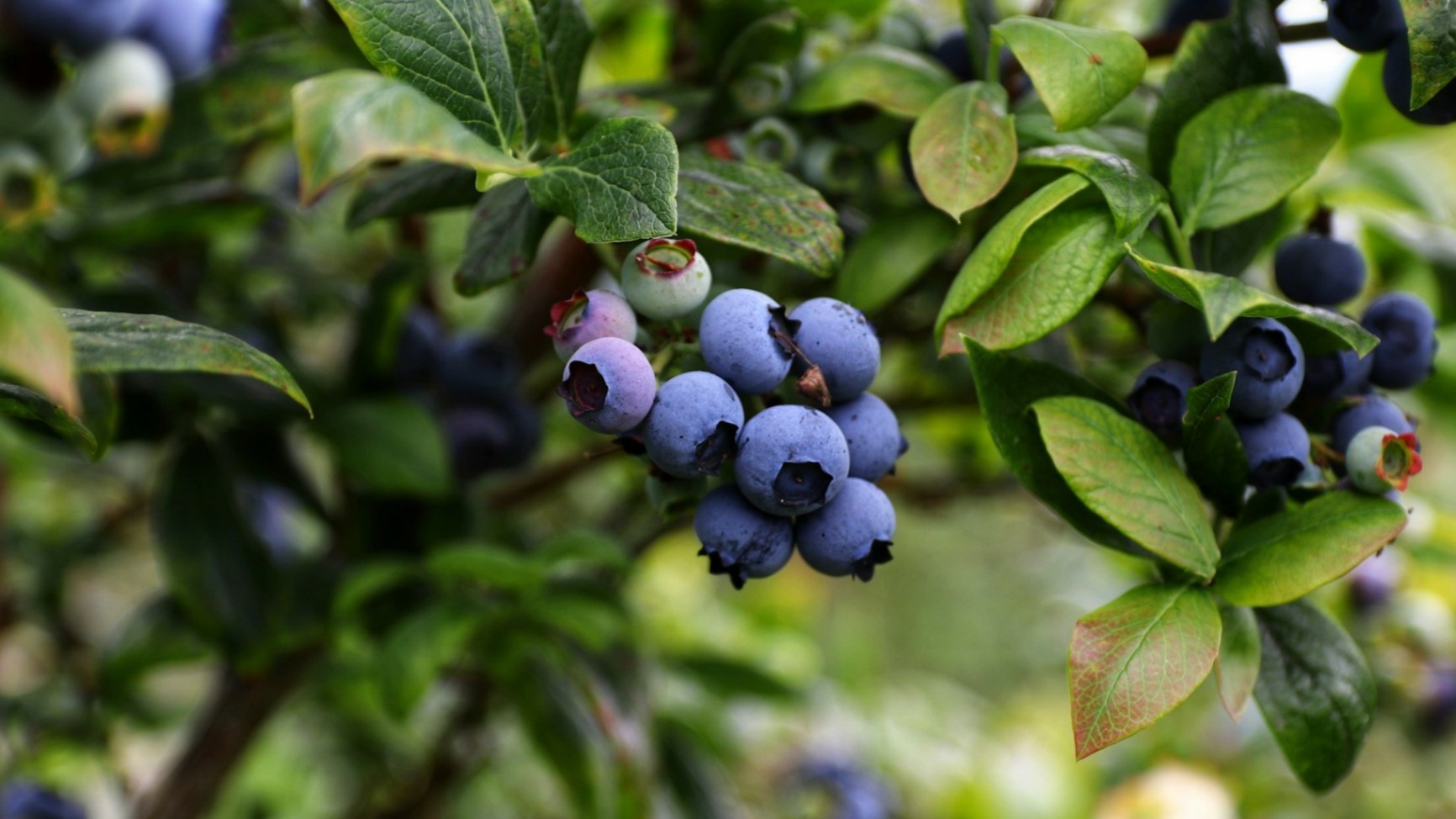
When Are Blueberries in Season: Regional Harvests and Fresh Berry Recipes
Few things taste more like early summer than a pint of fresh blueberries still cool from the morning. You pick through a box at a farm stand, find berries that are firm, dusty blue and sweet, and wonder how long the good ones will last. If you're asking when are blueberries in season, the answer for most of the US is late spring through late summer, roughly May to September, with Pennsylvania, New Jersey and Maryland peaking from late June through July.
That window moves with your latitude, the weather and the varieties a farm grows. A Georgia grower is already picking while Maine's wild barrens are still in flower. If you want berries at their sweetest, you need the local peak for your area, plus a backup plan for the weeks when the bushes are bare.
In this guide, you'll find month-by-month timing by region and how to read a ripe berry. You'll also see how to find u-pick farms and markets near you, and a few simple ways to cook and freeze the harvest. By the end, you'll know when to go, where to look and what to do with the haul.
The Peak Blueberry Harvest Window
Blueberries peak in June and July across most of the country, with the full US season stretching from late spring into early fall. Your local peak is the three to five weeks when nearby farms have their main varieties ripe at once.
What Months Bring the Freshest Local Blueberries?
Across North America, the season runs from about May through August. Southern states start first and northern states pick into late summer. Late varieties and cool coastal regions push picking into September.
Here is the rough shape of the year:
April to May: early southern highbush berries in Florida and south Georgia.
Late May to July: rabbiteye berries across the Southeast.
Late June to July: the Mid-Atlantic peak, including New Jersey, Pennsylvania and Maryland.
July to August: Michigan, New York, New England and Maine's wild barrens.
Late June to September: the Pacific Northwest, thanks to long, mild summers.
The freshest local berries come from the middle of your area's window. Early pickings are firm and slightly tart. Late pickings are sweet but smaller, since farms are down to their last bushes.
Why Do Harvest Dates Change from Year to Year?
Weather drives the calendar. Blueberry bushes need a set number of cold winter hours (called chill hours, the time spent between about 32°F and 45°F) before they bloom properly. After that, spring warmth pushes them toward flowering and fruit.
A warm winter can throw this off. Research from the University of Georgia describes a variety that needed 700 to 800 chill hours and got only about 450. The result was a light crop that missed its normal market window. A late spring frost does similar damage by killing open flowers.
Heat waves speed ripening and cool, rainy Junes slow it. Expect your local peak to shift by a week or two in either direction. That's why calling the farm before you drive out pays off.
Blueberry Season by US Region
Blueberry season by region follows a wave that starts in the Gulf states in spring and ends in the Northwest in early fall. The type of berry also changes as you travel, from rabbiteye in the South to wild lowbush in Maine.
When Do Blueberries Peak in New Jersey, Pennsylvania, and Maryland?
In the Mid-Atlantic, the main harvest runs from late June through July. New Jersey grows northern highbush blueberries commercially, and the Pine Barrens around Hammonton in Atlantic County have deep roots in blueberry farming. The cultivated blueberry was first bred and grown there.
Pennsylvania and Maryland follow a similar pattern. Kehr Family Farm in Littlestown, Adams County, PA, grows four varieties on about 450 bushes. Its listing says the harvest often lasts three to four weeks, starting the last week of June and running into mid-July. That's a good snapshot of a small u-pick patch near the Maryland line.
Central Maryland farms near Westminster and Frederick open around the same time. Farms in the Pittsburgh area and higher ground often start a week later. Some keep late varieties like Elliott going into August.
When Does Picking Start in the South?
The South starts first. In Florida and south Georgia, southern highbush varieties ripen in April and May. These are hybrids bred to need only 200 to 300 chill hours, so they bloom early.
Rabbiteye blueberries carry the season after that. These tall, heat-tolerant bushes are native to south Georgia, north Florida and southeast Alabama. In south Georgia they ripen from late May through late July. Middle Georgia runs about two weeks later and north Georgia about a month later.
North Carolina and Tennessee overlap with both groups. You'll find highbush in late May and June and rabbiteye into July.
What Is the Harvest Window in the Midwest and Northeast?
The Upper Midwest and Northeast pick from July through August. Michigan is one of the country's largest growers of cultivated highbush berries. New York and New England farms run on a similar schedule.
Maine is the home of wild blueberries (lowbush). These grow low to the ground on managed barrens, and the harvest lands in late July and August. Wild berries are small, intense and slightly tart, and much of the crop is frozen right after harvest.
When Are Berries Ready in the West?
The Pacific Northwest has one of the longest seasons. Oregon State University Extension puts the Oregon fruiting season from late June through September, depending on type and cultivar. Washington starts in early to mid July and finishes earlier than Oregon.
California runs a staggered season from spring into summer. It begins in the warm south and moves north as the weather heats up. Low-chill southern highbush varieties make most of that possible.
How Varieties and Ripeness Affect Your Timing
Variety decides when a bush ripens, and ripeness decides whether a berry is worth eating. Farms plant early, mid and late types to stretch the season. You still need to read each berry yourself.
How Do Highbush and Lowbush Blueberries Differ?
Highbush blueberries are the big, plump berries you see at most markets. Northern highbush bushes grow 5 to 9 feet tall and are native to the eastern US. Growers use a lineup like Duke (early), Bluecrop (mid) and Elliott (late) to keep picking going for weeks.
Lowbush blueberries grow under 1.5 feet tall and spread underground. They're native from Minnesota to Virginia and across the Northeast. Most lowbush fruit comes from wild stands that growers manage, and few named varieties exist.
The taste differs too. Highbush berries are juicy and mild, good for snacking by the handful. Lowbush berries are smaller with more concentrated flavor, so they hold their own in baking. Rabbiteye, the southern type, has thicker skins and ripens later than highbush in the same area.
A single variety ripens over two to five weeks. So a farm with three varieties can run a u-pick for six weeks or more, while a farm with one variety may be done in three.
How Can You Tell When Blueberries Are Ripe?
A ripe blueberry is deep blue-purple all over, with a silvery coating called bloom. That powdery layer is natural and protects the fruit. Any red or pink near the stem means it's not ready.
Blueberries don't ripen further after picking. So the color and feel at the bush are your only signals. Use these checks:
Color: fully blue, with no green or red ring at the top.
Feel: plump and slightly soft, never mushy or wrinkled.
Release: a ripe berry drops into your hand with a light roll of the thumb. If you have to tug, leave it.
Taste: try one from each bush. Bushes on the same row can differ.
Berries often turn blue a few days before they reach full sugar. If a farm just opened a row, the darkest berries on the sunny side of the bush are your best bet.
Where to Find Fresh Local Blueberries
Fresh local blueberries come from three places: u-pick farms, farmers markets and farm stands. Each has its own trade-off between price, effort and freshness.
How Do You Find a Local Market or U-Pick Farm?
U-pick farms give you the freshest berries and the most say in what goes in the bucket. You pay by the pound, and the price usually beats pre-picked pints. You trade time and sun for that savings.
Farmers markets work well when you want quality without the drive. Many Mid-Atlantic markets carry blueberries from late June. To plan a Saturday trip, you can browse farmers markets near you by area. You can also look up local blueberry producers and check which ones list u-pick or market stands. For a wider search, start with the farm and market directory and search by distance from home. In Chester County, Highland Orchards in West Chester grows blueberries alongside strawberries, peaches and apples, and runs pick-your-own from May through October. In Lancaster County, Cherry Hill Orchards lists berries among its pick-your-own fruits.
Farm stands are the middle ground. They sell pre-picked berries harvested that morning, often at the same farms that run u-pick fields.
What Should You Check Before Heading Out to Pick?
U-pick hours change daily during the season, so confirm before you leave. Kehr Family Farm, for example, posts limited days and asks visitors to call or check social media for patch conditions. That's common practice at small farms.
Before you go, check these:
Opening hours and days. Many farms pick mornings only and close on weekdays or after rain.
Patch conditions. Ask whether the farm is picked out or just opened a fresh row.
Containers. Some farms supply buckets, others want you to bring your own.
Payment. Small farms may be cash only.
Pre-picked orders. If you're short on time, many farms will set aside picked berries for pickup.
Go early. Morning berries are cool and firm, crowds are lighter, and you avoid midday heat in July.
Cook with the Harvest While It Lasts
Peak blueberries need very little help. Use them raw or barely cooked while they're at their best, then freeze the extras before they soften.
Three Seasonal Ideas for Fresh Blueberries
These seasonal berry recipes work with what's ripe in late June and July. Measurements are a starting point, so adjust to the sweetness of your berries.
1. Blueberry and corn salad with basil
Toss 2 cups fresh blueberries with kernels from 3 ears of raw sweet corn, a handful of torn basil, 1 sliced shallot and crumbled feta. Dress with olive oil, lime juice and flaky salt. Sweet Jersey corn and blueberries hit the same market week.
2. Quick skillet compote
Cook 3 cups berries with 2 tablespoons honey, a strip of lemon zest and a pinch of salt over medium heat for 5 to 6 minutes. Stop when about half the berries burst. Spoon it warm over yogurt, ricotta toast or grilled pork chops. Local honey from the same market, or from a beekeeper like Exton Bee Company in Chester Springs, keeps it in season.
3. Lowbush blueberry galette
Use wild or small berries here, since they hold shape and flavor. Mix 4 cups berries with ¼ cup sugar, 2 tablespoons cornstarch and lemon zest, then fold into a round of pie dough. Bake at 400°F for 40 to 45 minutes, until the filling bubbles thickly.
When Should You Freeze Berries for Later?
Freeze berries within a day or two of buying, while they're firm. Fresh blueberries keep about 10 to 14 days in the fridge if they're dry and unwashed in a container that lets air through. Freezing locks in late-June quality for the winter months.
The method is fast. Spread dry, unwashed berries on a sheet pan in one layer and freeze until solid. Then bag them. Frozen this way, they keep for up to a year, and they pour out loose. Rinse them just before using.
Frozen blueberries work in baking, smoothies, compote and sauces. They lose their snap when thawed, so save them for cooked dishes.
Plan Your Trip Around the Local Peak
Pick your berries from the middle of your local window, and you'll get the best balance of sweetness, size and supply. In New Jersey, Pennsylvania and Maryland, that means late June through July. Farther south, it comes earlier, while the Northeast and Northwest run later.
Since it's now early October, Mid-Atlantic fields are done for the year. Your freezer stash carries you through winter. Next spring, start watching for local berries in early June.
When next summer comes around, start with what's ripe right now. Check what is in season on Culineer before your next market trip, then call the farm on the morning you plan to pick.
Frequently Asked Questions
Where Are Blueberries in Season Right Now?
In early October, fresh blueberries are mostly done across the US. The Pacific Northwest finishes its season through September, and most other regions end by August. Until the South starts again in April, frozen local berries are your best option.
What Is the Best Month to Buy Local Blueberries?
July is the best month in most of the country. In New Jersey, Pennsylvania and Maryland, the peak runs from late June through July, and northern states pick into August. In the Deep South, May and June are best.
How Can I Find Blueberry Picking Near Me?
Search a local farm and market directory for u-pick farms in your county, then call ahead. U-pick hours change daily, and patches can be picked out by midmorning on weekends. Most Mid-Atlantic farms open between mid-June and early July.
Do Blueberries Last Longer in the Fridge or on the Counter?
Blueberries last much longer in the fridge, about 10 to 14 days. Keep them dry and unwashed in a container that allows airflow. Leave them on the counter only if you'll eat them the same day.
Can I Use Frozen Blueberries in Seasonal Recipes?
Yes, frozen blueberries work well in cooked recipes like compote, galettes, muffins and sauces. They soften after thawing, so they're less suited to fresh salads. Freeze them on a tray before bagging so they stay loose.