

Tim Haffey
ProducerThis Saturday: Shop Smart, Eat Fresh: with Your Beaver Farmers Market Guide
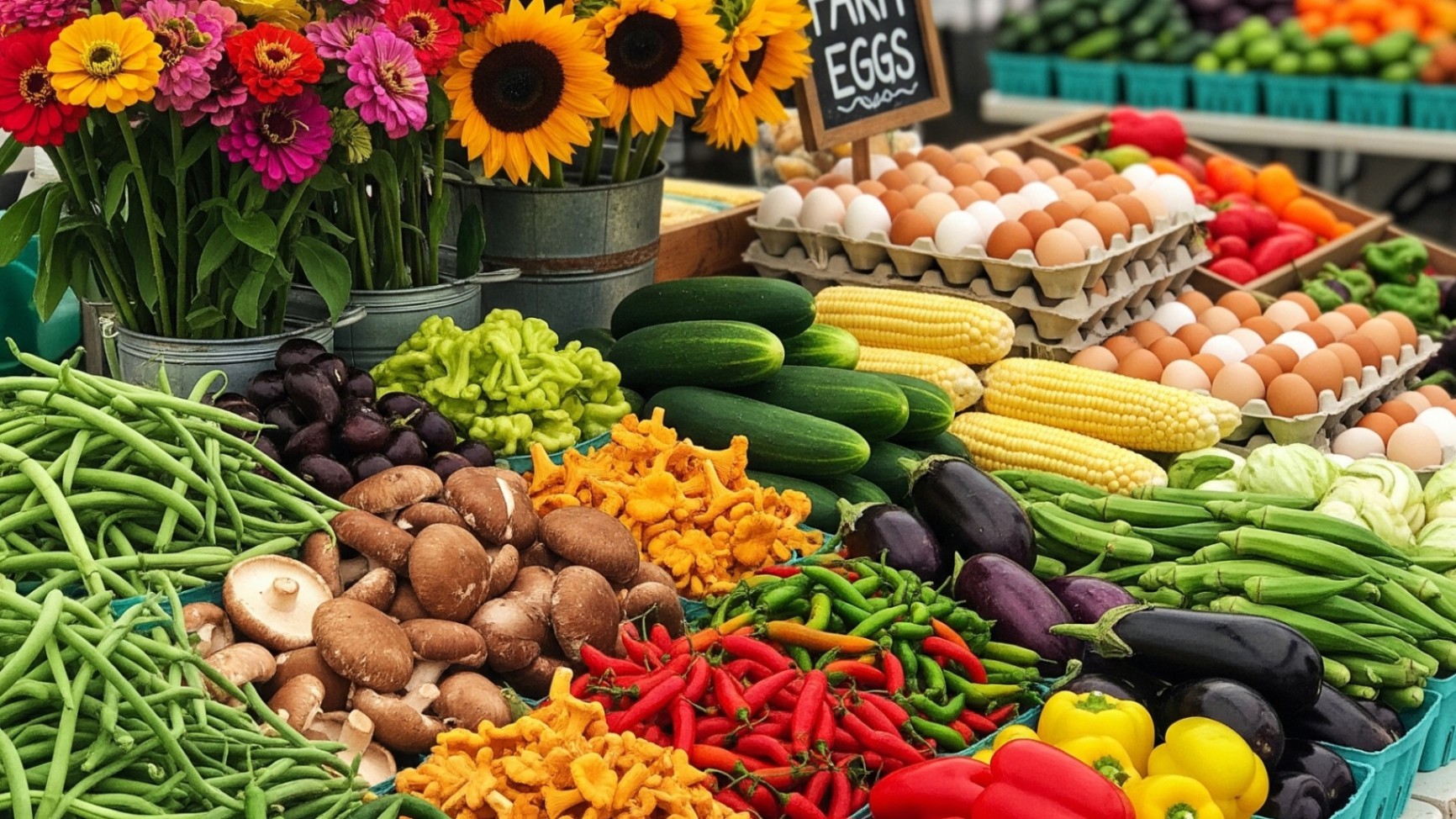
A fresh week is here, and so is the Beaver Farmers market! Remember to bring your shopping list and reusable bags, and get ready to enjoy the freshest, highest-quality food from your local farmers. Be inspired by the season's best offerings and get ready to create delicious, wholesome meals.
In this post you'll see most of the products that you'll find at the market, and some recipes to inspire! So pop on over to the market to do your weekly grocery shopping and sign in to Culineer to find hundreds of recipes to use them!
Products Available

Beef is the meat from cattle and is one of the most widely consumed proteins worldwide. It is prized for its rich flavor, versatility, and nutrient content, including high-quality protein, iron, zinc, and B vitamins. There are different breeds that offer varied meat characteristics. Angus remains the most dominant beef cattle breed in the U.S. and many parts of the world due to its superior meat quality and strong branding. Other Common Beef Cattle Breeds: Hereford – Known for its efficiency in converting feed to beef and a rich, beefy flavor. Charolais – A French breed that produces lean, muscular beef with good tenderness. Simmental – A dual-purpose breed (beef and dairy) with excellent growth rates and meat quality. Limousin – A leaner breed with a high yield of usable meat. Wagyu – A Japanese breed famous for its intense marbling and buttery texture. Brahman – Heat-tolerant and often used in crossbreeding, particularly in the Southern U.S.

Chicken is a versatile and popular poultry meat enjoyed by people around the world. It comes from domesticated chickens, which are raised primarily for their meat (broilers) and eggs (layers). Chicken meat is known for its lean protein content, mild flavor, and ability to absorb a wide range of seasonings and cooking methods. From whole chickens to specific cuts like breasts, thighs, and wings, chicken offers endless culinary possibilities.

Eggs are a highly versatile and nutritious food that have been a staple in human diets for centuries. They are produced by various species of birds, but the most commonly consumed eggs are from chickens. Eggs are known for their high protein content, essential vitamins, and minerals. They come in different sizes, colors, and types, such as white, brown, and specialty eggs like omega-3 enriched or cage-free eggs. Eggs are used in countless recipes and can be prepared in various ways, making them a cornerstone of culinary creativity.

Romano beans, also known as Italian flat beans or "pole beans," are a broad, flat, and meaty variety of green bean. Unlike the slender French or snap beans, Romano beans have a slightly more fibrous texture and deeper, richer flavor—often described as nutty or earthy. They can be green, yellow, or even purple, and are known for holding up well to long, slow cooking, making them a favorite in Mediterranean and Southern cuisines.

Yellow wax beans, also known simply as wax beans, are a variety of Phaseolus vulgaris, commonly referred to as snap beans or green beans. These beans are named for their pale yellow color and waxy texture, which distinguishes them from green beans. Yellow wax beans are tender, crisp, and slightly sweeter than green beans, with a delicate flavor that pairs well with a variety of ingredients. Like their green counterparts, yellow wax beans are harvested while still immature, ensuring their tender pods and sweet taste. They are a versatile vegetable commonly used in salads, stir-fries, soups, and vegetable medleys. Yellow wax beans are also popular for pickling and canning, as they retain their vibrant color and crisp texture even after processing.

<p>Green beans, also known as snap beans or string beans, are young bean pods harvested before the seeds fully develop. They have a crisp texture and mild, fresh flavor that makes them one of the most versatile summer vegetables.</p><p>While traditionally green, beans may also be found in yellow, purple, and striped varieties. In the Northeast, green beans are a popular warm-season crop grown in home gardens, small farms, and larger vegetable operations.</p>

White potatoes, also known as Irish potatoes or round potatoes, are one of the most widely consumed varieties of potatoes worldwide. They are characterized by their smooth, thin skin and creamy-white flesh. White potatoes have a mild, earthy flavor and a firm, waxy texture that holds its shape well when cooked. They are incredibly versatile and can be prepared in numerous ways, including boiling, baking, roasting, frying, and mashing. White potatoes are a staple ingredient in many cuisines and are used in a variety of dishes, from classic mashed potatoes and potato salads to hearty soups and stews.

<p>Cherry tomatoes are small, round, and typically sweet tomatoes that come in a variety of vibrant colors—red, yellow, orange, purple, and even striped. Bursting with juiciness and balanced acidity, they’re beloved for their snackability and versatility. Cherry tomatoes are thinner-skinned and more flavorful than larger slicing tomatoes, making them ideal for raw dishes, quick cooking, and roasting.</p>

<p>Sweet peppers thrive in the warm summer months. Because peppers require heat to mature, they are a true <strong>summer crop</strong>, with availability tied closely to frost dates.</p><p>Peppers become sweeter and more colorful as the season progresses. Early peppers are often green (immature), while peak-season peppers show full red, yellow, or orange ripeness.<br></p><h2>Types of Sweet Peppers</h2><p>Sweet peppers vary in shape, size, color, and sweetness level. All lack the heat of hot peppers.</p><h3><strong>Bell Peppers</strong></h3><ul><li><p>Colors: Green, red, yellow, orange, purple</p></li><li><p>Flavor: Green = grassy and slightly bitter; colored = sweeter and fruitier</p></li><li><p>Best for: Stuffing, roasting, grilling, slicing raw</p></li></ul><p></p><h3><strong>Italian Frying Peppers (Cubanelle, Carmen types)</strong></h3><ul><li><p>Long, thin, light green to red</p></li><li><p>Mild and slightly sweet</p></li><li><p>Excellent sautéed or blistered</p></li></ul><p></p><h3><strong>Sweet Banana Peppers</strong></h3><ul><li><p>Pale yellow to orange</p></li><li><p>Tangy and mild</p></li><li><p>Often pickled or eaten raw</p></li></ul><p></p><h3><strong>Pimento Peppers</strong></h3><ul><li><p>Small, heart-shaped red peppers</p></li><li><p>Very sweet and aromatic</p></li><li><p>Used in spreads and stuffing olives</p></li></ul><p></p><h3><strong>Mini Sweet Peppers</strong></h3><ul><li><p>Small, snack-sized</p></li><li><p>Very sweet</p></li><li><p>Ideal for raw eating or quick roasting</p></li></ul>

<p>Banana peppers are mild, tangy peppers named for their curved, yellow appearance—resembling a banana in both shape and color. They range in flavor from sweet to slightly spicy, with a subtle acidity that makes them popular for pickling and fresh applications. Typically 2–3 inches long, they’re a versatile pepper used in sandwiches, salads, pizzas, and Mediterranean dishes.</p>

<p>Yellow beets are a variety of beet with golden to bright yellow flesh and a naturally sweet, earthy flavor. They have a milder, less earthy taste than many red beets and retain their vibrant golden color when cooked. Both the roots and the young greens are edible.</p><p>Yellow beets can be enjoyed raw, roasted, steamed, boiled, pickled, or incorporated into salads and grain dishes. Their bright color makes them especially appealing when combined with other colorful vegetables.</p>

Beets, scientifically known as Beta vulgaris, are vibrant and nutritious root vegetables that come in various colors, including deep red, golden, and even striped varieties. They have a sweet, earthy flavor and a tender texture when cooked. Beets are rich in vitamins, minerals, and antioxidants, making them a valuable addition to a balanced diet. While the root is the most commonly consumed part, beet greens are also edible and share a similar taste to other leafy greens.

<p>Cucumbers are a refreshing summer vegetable known for their crisp texture, high water content, and mild, clean flavor. Although botanically a fruit, cucumbers are commonly used as a vegetable in salads, pickles, and savory dishes.</p><p>Many varieties are grown in the Northeast, including slicing cucumbers, pickling cucumbers, Persian cucumbers, and specialty varieties. Cucumbers range from smooth-skinned to bumpy varieties and may vary in size, color, and flavor.</p>

<p>Summer squash is a group of tender squash varieties harvested while the skin is still soft and edible. Unlike winter squash, which develops a hard outer shell and stores well, summer squash is delicate, mild, and best enjoyed fresh.</p><p>Common varieties include yellow squash, zucchini, pattypan squash, and other specialty types. Summer squash has a mild flavor, tender texture, and high water content, making it a versatile ingredient for grilling, roasting, sautéing, baking, and fresh preparations.</p>

<p>Shallots are small members of the allium family with a flavor that combines the sweetness of onions with the delicate, savory character of garlic. They typically grow in clusters of elongated bulbs and have copper, reddish, or golden papery skins.</p><p>Shallots are prized for their ability to add depth without overpowering other ingredients. They are especially useful in sauces, vinaigrettes, roasted vegetables, and dishes where a more delicate onion flavor is desired.</p>

<p>Okra, also known as "lady's finger," is a versatile and unique vegetable with a distinct appearance and texture. It is characterized by its elongated, ribbed green pods that contain small, round edible seeds. <br><br>Okra is often used in Southern and Middle Eastern cuisines due to its ability to thicken soups and stews. When cooked, okra becomes tender with a slightly viscous texture that some people describe as "slimy," but it is this very quality that makes it a sought-after ingredient in certain dishes.</p>

Eggplant, also known as aubergine in some regions, is a versatile and nutrient-rich vegetable that comes in various shapes and colors, ranging from deep purple to white and even striped varieties. It has a smooth, glossy skin and a slightly bitter, earthy flavor. Eggplant is a staple in Mediterranean, Middle Eastern, and Asian cuisines, where it's utilized in a wide array of dishes due to its ability to absorb flavors and its satisfying texture when cooked.

<p>Watermelon is one of summer's most iconic fruits, prized for its crisp texture, refreshing sweetness, and exceptionally high water content—over 90%. A member of the gourd family, it is closely related to cucumbers, squash, and pumpkins. While the classic watermelon has bright red flesh, varieties are also available with pink, yellow, orange, or even white interiors. Seedless varieties are the most common, though heirloom and specialty watermelons often contain edible black seeds.</p>

Cantaloupe, also known as muskmelon, is a sweet, juicy fruit with a netted rind and orange flesh. It is a good source of vitamins A and C, potassium, and fiber, and it's low in calories. Cantaloupe is in season during the summer months, typically from June through September. It has a sweet and aromatic flavor, making it a popular choice for fresh eating, salads, and desserts

<p>Kohlrabi is a cool-season vegetable in the brassica family, related to cabbage, broccoli, and cauliflower. It grows as a round, swollen stem above the soil and has a crisp texture with a mild flavor that combines elements of cabbage, broccoli stems, and radishes.</p><p>Kohlrabi varieties may be green or purple, though both have a similar pale interior. The entire plant is edible, including the bulb-like stem and young leaves. It is especially well suited to the cooler growing seasons of the Northeast.</p>

<p>Shiitake mushrooms are cultivated mushrooms with broad brown caps, pale undersides, and a firm, meaty texture. They have a rich savory flavor and natural umami that becomes especially pronounced when cooked.</p><p>Shiitakes are widely used in Asian cuisines but are versatile enough for soups, sauces, pasta, grains, vegetables, and meat dishes. They are typically cultivated on hardwood logs or growing substrates.</p>

Chanterelle mushrooms are a highly prized and distinctive variety of wild fungi known for their unique appearance and delicate flavor. Scientifically classified as Cantharellus cibarius, these mushrooms have a trumpet or funnel-shaped cap with a wavy, lobed edge. Chanterelles range in color from vibrant golden yellow to deep orange, and their caps often have a smooth, velvety texture. They grow in forested areas, particularly in coniferous and mixed woodlands, and are harvested in late summer to early fall. Chanterelle mushrooms are cherished by chefs and home cooks alike for their fruity aroma, nutty flavor, and meaty texture, making them a versatile ingredient in a variety of culinary dishes.

Chicken of the woods, scientifically known as Laetiporus sulphureus, is a type of bracket fungus that grows in large, overlapping shelves or clusters on the trunks of trees. It gets its name from its texture and flavor, which are said to be remarkably similar to cooked chicken breast. The mushroom is visually striking, with a vibrant sulfur-yellow and orange color, particularly when young and fresh. It is a polypore, meaning its underside has tiny pores instead of gills.

<p>Oyster mushrooms are delicate cultivated mushrooms with fan-shaped caps and a soft, tender texture. They may be white, gray, yellow, pink, or other colors depending on the variety.</p><p>Their flavor is mild and savory, with a texture that becomes tender and lightly crisp when cooked at high heat. Oyster mushrooms are particularly good for sautéing, roasting, grilling, and stir-frying.</p>

<p>Lion’s Mane mushrooms (<em>Hericium erinaceus</em>) are unique, white, shaggy fungi resembling a lion’s mane. Known for their delicate, slightly sweet flavor and seafood-like texture—often compared to crab or lobster—they’re a favorite in plant-based and gourmet cooking. Beyond their taste, Lion’s Mane mushrooms are prized for their potential brain-boosting and neuroprotective benefits.</p>

Corn, scientifically known as Zea mays, is a widely enjoyed cereal grain that has a significant presence in various cuisines worldwide. It features plump kernels that can range in color from yellow and white to shades of red, blue, and multicolored. Corn is renowned for its natural sweetness, making it a versatile ingredient in both savory and sweet dishes.


