

Jodi Frank
Member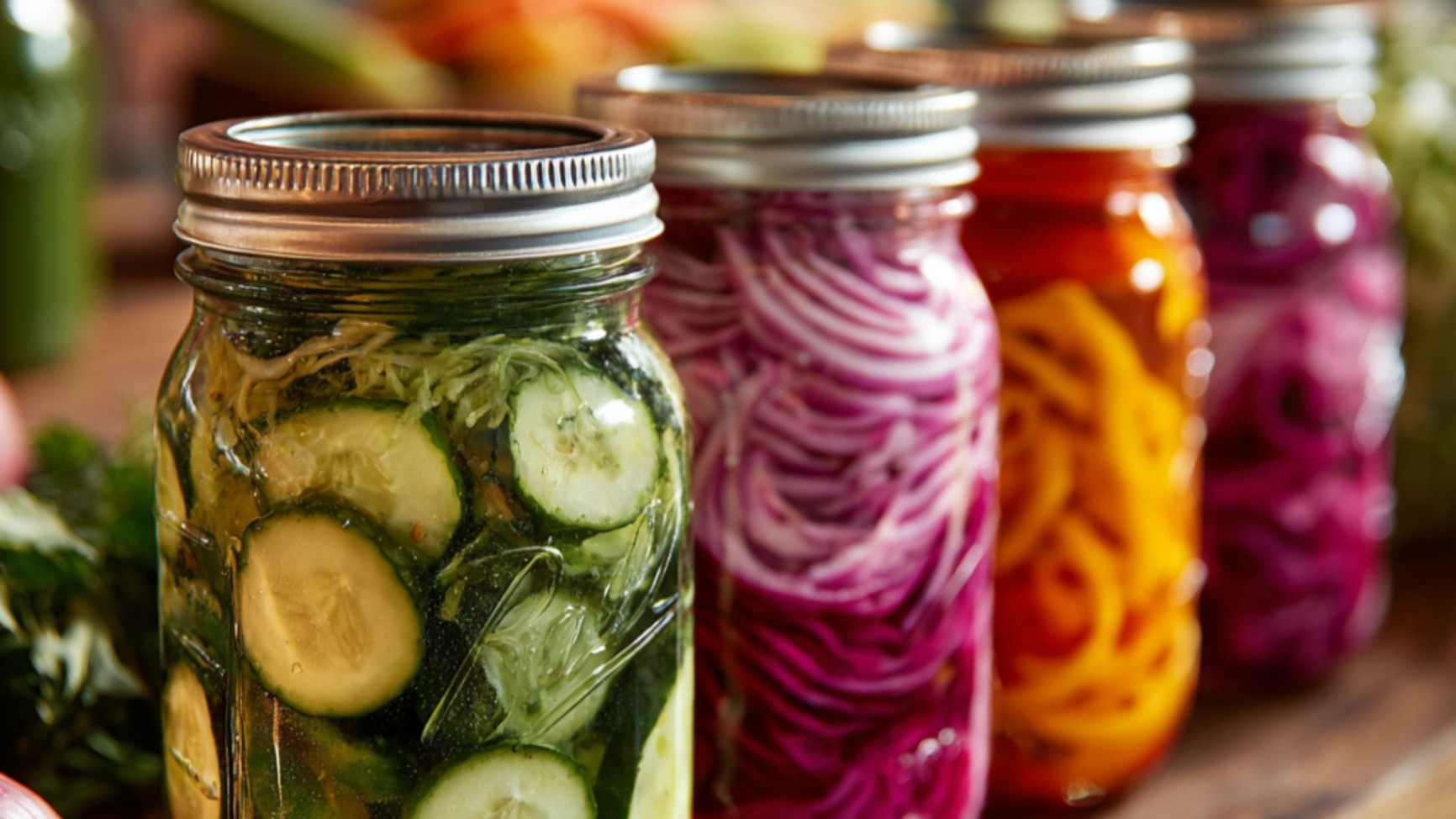
Don't Let Summer's Bounty Slip Away!
Savor Local Veggies All Year Long
The farmer's market is bursting with vibrant colors and crisp textures right now, isn't it? Piles of cucumbers, mountains of bell peppers, and an abundance of other fresh-from-the-earth delights are practically begging to come home with you. But as much as we love fresh summer produce, the thought of those bountiful displays dwindling with the cooler weather can be a little disheartening.
What if you could enjoy that peak-season goodness long after the last frost? You can! And while canning and freezing might seem a bit daunting if you've never ventured into home preservation, the payoff – both in flavor and peace of mind – is absolutely worth learning the ropes.
Imagine biting into a crisp cucumber pickle in the middle of winter, or adding vibrant, homegrown peppers to your stir-fry when the ground outside is frozen solid. Not only will you be relishing the delicious taste of summer, but you'll also have the confidence of knowing you're eating quality ingredients without hidden chemicals, because you sourced them directly from local farmers you trust. This means you're supporting your local community and enjoying food at its peak, free from the uncertainty of mass-produced alternatives.
Ready to Dive into the Wonderful World of Preserving?
Here are a few key steps to get you started on gathering up those extra veggies and keeping them fresh for the off-season:
1. Hit the Market with a Plan (and a Wagon!):
This is where the fun begins! Look for sales on your favorite vegetables, especially those that lend themselves well to preservation like cucumbers, bell peppers, tomatoes, green beans, and corn. Don't be afraid to buy in bulk – remember, you're planning for the future! If you're a gardener, celebrate your harvest and set aside some of your bounty for preserving. This way, you directly support local farmers, helping them thrive and continue providing us with incredible, fresh produce.
2. Clean and Prepare Your Produce:
This step is crucial for food safety and quality. Thoroughly wash all your vegetables to remove any dirt or debris. Depending on what you're preserving, you might need to peel, chop, or blanch your veggies. For instance, bell peppers can be washed, cored, and sliced or diced before freezing. Cucumbers for pickling will need a good scrub and often a trim of the ends.
3. Choose Your Preservation Method:
Freezing: Your Easiest Entry Point!
For many vegetables, freezing is the simplest way to get started. Most vegetables benefit from a quick blanching (a dip in boiling water followed by an ice bath) before freezing. This helps preserve their color, flavor, and nutrients. Simply blanch, cool, pat dry, and then spread them in a single layer on a baking sheet to freeze individually before transferring to freezer bags. This prevents them from clumping together. This method works wonderfully for peppers, green beans, corn, and even sliced zucchini.
Canning: A Deeper Dive into Preservation.
Canning, while a bit more involved, allows you to create shelf-stable goods like pickles, salsas, and jams. It involves heating food in jars to a temperature that destroys spoilage organisms and creates a vacuum seal. There are two main types:
- Water Bath Canning: Ideal for high-acid foods like most fruits, pickles, and tomatoes (sometimes with added acid).
- Pressure Canning: Necessary for low-acid foods like most vegetables, meats, and stews. This method reaches higher temperatures to ensure safety.
Canning Safely: It's essential to follow precise, tested instructions when canning to ensure food safety and prevent spoilage. Always use proper equipment and adhere to recommended processing times. Serious illness can result from improperly canned foods, so never cut corners or experiment with recipes.
4. Gather Your Supplies:
For freezing, you'll need freezer-safe bags or containers. For canning, you'll need canning jars, lids, bands, a canner (water bath or pressure), and basic canning tools like a jar lifter and funnel.
5. Follow Tested Recipes and Instructions:
This is the most important rule of home preservation! Do not eyeball ingredients or deviate from trusted recipes, especially when canning. Food safety is paramount. You can find reliable, scientifically tested recipes and guidelines from:
The Payoff: Fresh, Local Goodness All Year Round
Learning to preserve your own food is an incredibly rewarding experience. Not only will you save money and reduce food waste, but you'll also gain a profound appreciation for the seasons and the hard work of local farmers. Imagine the satisfaction of pulling out a jar of your own homemade pickles in January, or tossing homegrown frozen peppers into a stir-fry, knowing you're eating quality food from local sources – even when the ground outside is covered in snow and most markets are closed for the season. This truly allows you to enjoy quality ingredients without hidden chemicals, long after the summer sun has set, all while supporting the farmers who grow our food.
So, this week – when you’re the farmer's market, don't just admire those vibrant cucumbers and peppers. Visit a local farmers market near you and stock up this week before you miss the opportunity to preserve summer's goodness! Your future self will thank you.